
Avenue Mortgage, LLC

NMLS #1115220

  • Home
  • About
    • About Kay
    • Accessibility Statement
    • Texas Complaint Notice
  • Blog
  • Our Resources
    • First Time Seller Tips
    • First Time Buyer Tips
    • Home Appraisal
    • Home Inspection
    • Loan Checklist
    • Loan Process
    • Loan Programs
    • Mortgage Glossary
    • Mortgage FAQ
    • What to Expect at a Loan Closing: A Step-by-Step Guide
  • Our Reviews
  • Contact Us

Building Your Dream Home? Here’s Why Construction-to-Permanent Loans Are Worth a Look

April 21, 2026 by Kay Monigold

Starting a home build is exciting—equal parts vision board and “wait, how do we pay for all of this?” moment. The financing side can get complicated fast, especially when construction and long-term mortgage needs overlap.

That’s where construction-to-permanent loans step in. They’re designed to simplify the process and give you more control from day one through move-in day.

What Is a Construction-to-Permanent Loan?

A construction-to-permanent (CTP) loan is a single loan that covers both the build phase and your long-term mortgage.

Instead of taking out one loan to finance construction and then refinancing into a separate mortgage later, a CTP loan does both. Once construction is complete, the loan automatically converts into a traditional mortgage—no extra hoops to jump through.

Why Homebuyers Choose CTP Loans

1. One Loan, Less Hassle
Managing two separate loans can feel like juggling while riding a bike. CTP loans streamline everything into one package, making budgeting and planning much more straightforward.

2. Just One Closing
Traditional construction financing often requires two closings (and double the paperwork and fees). With a CTP loan, you close once at the beginning—and you’re done. Your future self will thank you.

3. More Predictable Payments
Many CTP loans offer fixed interest rate options, giving you stability from the start. That means fewer surprises and easier long-term planning.

4. Rate Protection from Day One
Interest rates can shift while your home is being built. With a CTP loan, you can often lock in your rate early—so you’re not crossing your fingers months later hoping the market behaves.

5. Flexible Terms
CTP loans typically offer a range of term options, allowing you to choose what fits your financial goals—whether that’s lower monthly payments or paying off your home sooner.

6. No Need to Requalify
When your home is finished, your loan simply transitions into a mortgage. There’s no second approval process, which can be a huge relief if your financial picture changes during construction.

7. Competitive Down Payment Options
Many programs offer relatively low down payment requirements compared to what people expect for new construction, making it more accessible—especially for first-time builders.

The Bottom Line

Construction-to-permanent loans take what is usually a complicated, multi-step financing process and turn it into something far more manageable.

If you’re planning to build, this type of loan can offer clarity, stability, and fewer logistical headaches—so you can spend less time worrying about financing and more time focusing on the home you’re creating.
Filed Under: Mortgage Tagged With: Construction-to-Permanent, Dream Home, Mortgages

Can I Get a Mortgage Without a Credit Score By Using Alternative Credit History?

March 28, 2025 by Kay Monigold

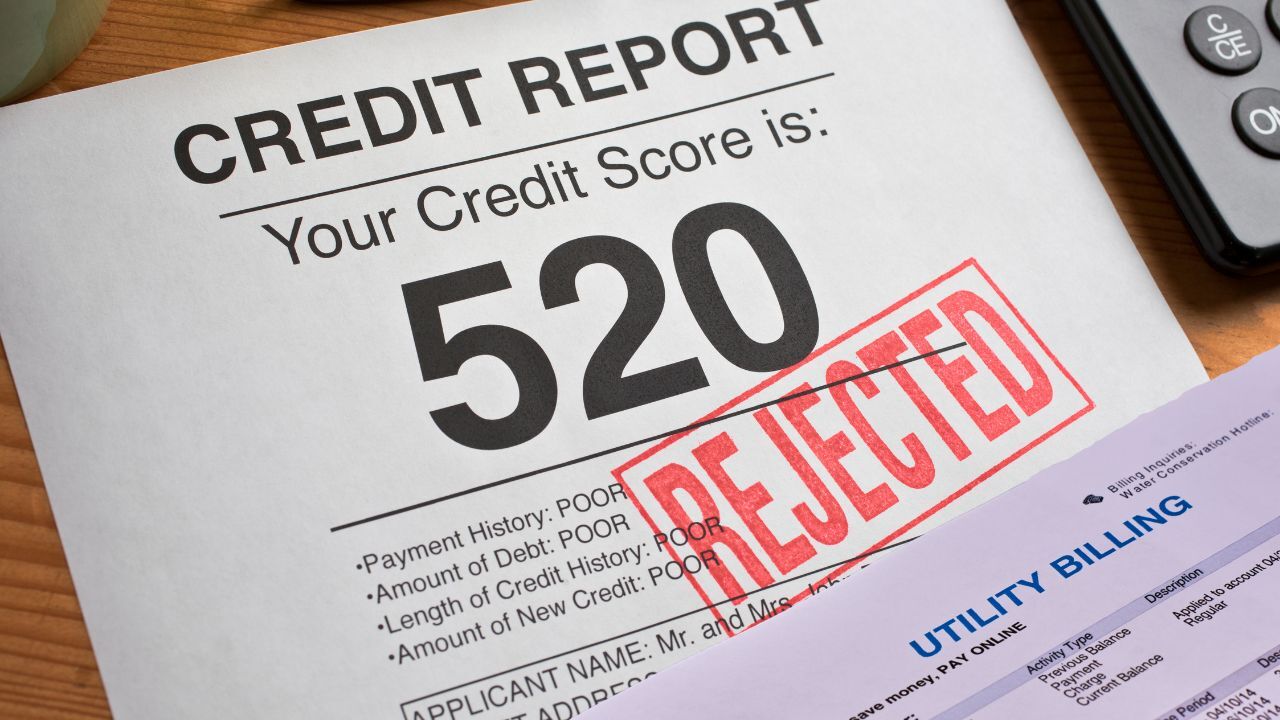
If you’ve been managing your finances responsibly but don’t have a traditional credit score, you may be wondering whether homeownership is still within reach. The good news? It is! While most mortgage lenders rely on credit scores to assess your creditworthiness, alternative credit history—like rent payments, utility bills, and other recurring expenses—can help you qualify for a mortgage.

What Is Alternative Credit History?

Alternative credit history consists of financial records that demonstrate your ability to manage debt and make payments on time, even if you don’t have a credit card or traditional loans. Some examples include:

  • Rent payments – A history of on-time rent payments can be a strong indicator of financial responsibility.
  • Utility bills – Consistent payments for electricity, water, gas, and even phone bills can showcase your reliability.
  • Insurance premiums – Paying for car, health, or renter’s insurance on time adds to your credibility.
  • Streaming or subscription services – Some lenders may even consider consistent payments for services like Netflix or a gym membership.

How Do Mortgage Lenders Use Alternative Credit?

Some lenders, especially those offering FHA, VA, and USDA loans, accept alternative credit data in place of a credit score. Instead of pulling a standard credit report, they may request documentation proving your payment history, such as:

  • Canceled checks
  • Bank statements showing recurring payments
  • Letters from landlords or service providers confirming on-time payments

Additionally, Fannie Mae and Freddie Mac now allow rent payments to be factored into credit evaluations when applying for conventional loans, making it easier for first-time homebuyers to qualify.

What Are the Requirements?

While each lender may have different criteria, here are some general guidelines to keep in mind:

  • A strong rental history – Typically, lenders want to see at least 12 months of consistent, on-time rent payments.
  • Three or more alternative credit sources – Having multiple payment histories helps build a well-rounded financial profile.
  • Stable income and employment – Lenders still evaluate your ability to afford a mortgage based on your earnings and job history.
  • Low debt-to-income (DTI) ratio – Keeping your total monthly debts (including the future mortgage payment) below 43% of your income improves your chances of approval.

Which Mortgage Programs Accept Alternative Credit?

If you don’t have a traditional credit score, consider these mortgage options:

  • FHA Loans – Backed by the Federal Housing Administration, FHA loans are ideal for borrowers with limited credit history.
  • VA Loans – If you’re a veteran or active-duty military member, VA loans offer flexible credit requirements.
  • USDA Loans – Designed for rural homebuyers, these loans allow alternative credit history for qualification.
  • Manual Underwriting on Conventional Loans – Some lenders offer manually underwritten loans, meaning a person (rather than an automated system) reviews your finances.

Tips for a Successful Mortgage Application

  • Keep records of payments – Save bank statements, receipts, and letters from service providers.
  • Use a rent-reporting service – Some companies, like RentTrack or Experian Boost, can help report your rent payments to credit bureaus.
  • Work with a knowledgeable mortgage lender – Not all lenders accept alternative credit, so finding one who specializes in this process is key.

Yes, you can get a mortgage without a credit score! By leveraging alternative credit history, demonstrating financial responsibility, and choosing the right loan program, you can achieve homeownership—even without a traditional credit report. If you’re unsure where to start, connect with a mortgage professional who can guide you through the process and help make your dream of owning a home a reality.

Filed Under: Mortgage Tagged With: Dream Home, Home Owner, Mortgage Approval, Mortgage Tips

Next Page »

Our Team

Kay MonigoldKay Monigold
Owner/Mortgage Broker/Residential Mortgage Loan Originator
NMLS#1086176

Steven LoweSteven P Lowe, Sr
Residential Mortgage Loan Originator
NMLS #1085638

GET A RATE QUOTE →

Connect with Us!

Browse Articles by Category

Accessibility Statement

We are committed to ensuring that its website is accessible to people with disabilities. All the pages on our website will meet W3C WAI’s Web Content Accessibility Guidelines 2.0, Level A conformance. Website Accessibility Policy

Equal Housing Lender


100 Independence Place, Ste. 308
Tyler, TX 75703
nmlsconsumeraccess.org

Quick Links

  • About
    • About Us
    • Texas Complaint Notice
  • Get a Rate Quote
  • Resources
    • Loan Process
  • Contact Us

Copyright © 2026 · Powered by MySMARTblog

Copyright © 2026 · Genesis Sample Theme on Genesis Framework · WordPress · Log in