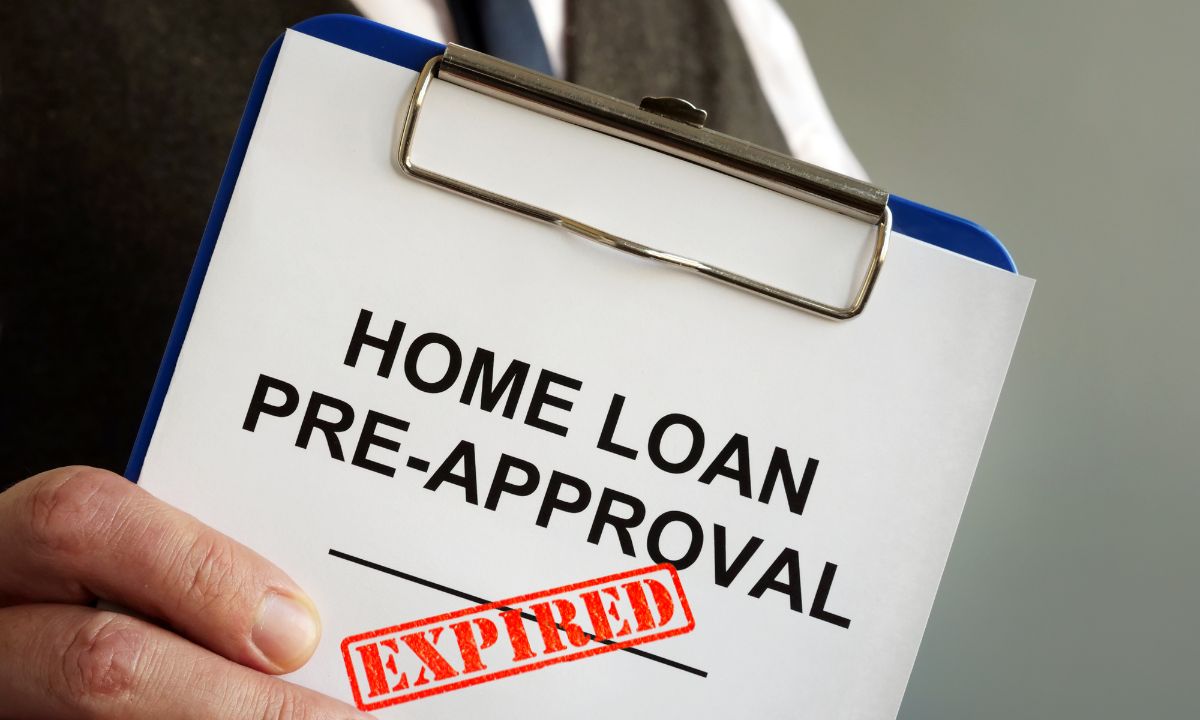
 A mortgage pre-approval is one of the most valuable tools in your homebuying journey. It’s not just a letter stating how much you’re qualified to borrow; it’s a written commitment from your lender that assures sellers you have the financial backing to make a competitive offer.
Having a pre-approval letter in hand can give you a significant advantage in a competitive housing market, signaling to sellers that you’re serious, financially prepared, and ready to move forward.
However, like many things in life, pre-approval letters have an expiration date. If you don’t find your dream home before that date passes, you may be wondering what your next steps should be.
When Does Pre-Approval Expire?
Pre-approval letters typically expire within 60 to 90 days from the date they are issued. The exact expiration period depends on your lender and personal financial situation. A variety of factors may contribute to the expiration of your pre-approval, including changes in your credit, income, or debt. It’s important to stay mindful of the expiration date so you can plan ahead and ensure you’re still on track for purchasing the home of your dreams.
What Happens If You Don’t Use Your Pre-Approval?
It’s important to remember that just because your pre-approval expires doesn’t mean your home search is over. If you haven’t yet found the right property, or if the market has been particularly competitive, don’t be discouraged.
If your pre-approval expires, all you need to do is refresh it. This is a common step in the homebuying journey and is relatively simple to do. You’ll need to provide updated documentation—such as your most recent bank statements, pay stubs, or any changes to your financial situation—to ensure your pre-approval remains accurate and valid. This allows the lender to reassess your qualifications and ensure you still meet the necessary requirements for a mortgage.
Steps to Take When Your Pre-Approval Expires
- Contact Your Loan Officer
- The first step is to reach out to your loan officer as soon as your pre-approval is about to expire. They’ll be able to guide you through the process of renewing your pre-approval and make sure everything is up to date.
- Be open and transparent with your loan officer about any changes in your financial or employment situation that might affect your application. This could include a new job, a change in income, or any other significant financial adjustments.
- Update Financial Documents
- Your lender will need to verify your current financial situation before issuing a new pre-approval. To do this, you’ll need to provide your most recent bank statements, pay stubs, tax returns, or other requested materials.
- These updates will allow the lender to reassess your qualifications and determine if you still meet the criteria for your desired loan program. The more timely and accurate your documents are, the faster the process will go.
- Obtain a New Pre-Approval
- After reviewing your updated documents, your loan officer will issue a new pre-approval letter, which will have an updated expiration date. This new letter will enable you to continue your house-hunting journey with confidence.
- Keep in mind that your new pre-approval will reflect your current financial standing, so it’s important to stay on top of any changes that could impact your mortgage application.
 It’s easy to get Private Mortgage Insurance (PMI) confused with homeowners’ insurance, but PMI is an entirely different thing that may or may not be necessary when it comes to your home purchase. If you’re going to be investing in a home in the near future and are wondering what PMI may mean for you, here are some things to consider regarding this type of insurance.