Avenue Mortgage, LLC

NMLS #1115220

  • Home
  • About
    • About Kay
    • Accessibility Statement
    • Texas Complaint Notice
  • Blog
  • Our Resources
    • First Time Seller Tips
    • First Time Buyer Tips
    • Home Appraisal
    • Home Inspection
    • Loan Checklist
    • Loan Process
    • Loan Programs
    • Mortgage Glossary
    • Mortgage FAQ
    • What to Expect at a Loan Closing: A Step-by-Step Guide
  • Our Reviews
  • Contact Us

Mortgage Budgeting 101: How to Determine What You Can and Can’t Afford

July 8, 2014 by Kay Monigold

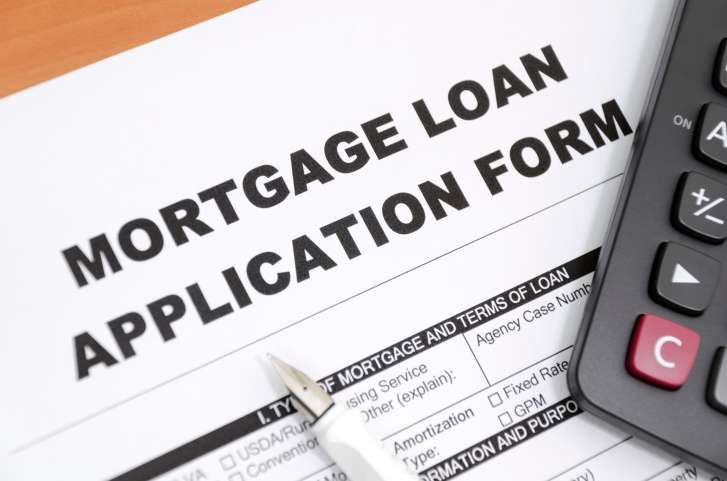
Mortgage Budgeting 101: How to Determine What You Can and Can't AffordWhen taking on a new mortgage, it is important to know that you can afford to carry the debt load involved, as many people find themselves in financial trouble by spending more on real estate than they can comfortably maintain. Your mortgage budget can be calculated to determine just how much you should spend on your next mortgage.

Mortgage Rates And Today’s Market Conditions

Mortgage rates change every day, and in times of high volatility can even fluctuate more than once in a twenty-four hour period. The market reflects a number of economic variables, including relevant world news and events. Wall Street also directly affects the real estate market. By researching and watching mortgage rates closely you will be able to secure your mortgage at the best rate possible.

With so many different loan types, terms and interest can affect your monthly mortgage payment significantly. Shop around, and see which loan types will work for you. The rates available will be effected by the type of real estate you are purchasing, and your credit score.

Your Total Income

Your income helps give lenders an indicator of your ability to pay a mortgage. Your total income may include alimony, investment revenue, or other sources in addition to regular wages. Knowing this total and how it might change in the near future can help one get a sense of what is manageable.

Mortgage Expectations And Monthly Expense

Monthly expenses play a big role in your mortgage budget. Credit card debt, vehicles and other monthly commitments need to be factored in full to clearly understand your financial situation.

If you are carrying a large debt load, you may want to pay your debts down before adding more debt via a mortgage. Clearing up outstanding debts will help boost your credit score and in turn your appeal to lenders.

Expenditures that may be considered frivolous or redundant could be eating away at your mortgage budget. Try to cut out unnecessary spending to create some breathing room in your monthly budget. It is important to be more realistic when budgeting than one would be when goal setting, but it is always a good idea to ‘trim away the fat’.

The Amount You Put Down On The Debt

Another factor of affordability and eligibility will be your down payment. How much money you put as a down payment can and will affect the types of mortgage loans and interest rates accessible to you. The value of the down payment will vary depending on the type of property or investment that is being secured; higher value properties will require a larger down payment.

Real estate is a great way to invest in your future. Although some can turn a profit ‘flipping’ houses, most mortgages are long-term investments. The investment grows more beneficial over time as the principal is paid down.

By carefully considering your personal finances, you will be able to determine what you can and cannot afford. Researching the options available will build your confidence when choosing a loan. Contact your trusted mortgage professional for answers to any additional affordability questions.

Filed Under: Home Mortgage Tips Tagged With: Budgeting, Down Payments, Mortgage Affordability

What’s Ahead For Mortgage Rates This Week – July 7, 2014

July 7, 2014 by Kay Monigold

What's Ahead For Mortgage Rates This Week July 7 2014

Last week’s economic news was mixed, but economic reports for Non-Farm Payrolls and the National Unemployment rate suggest a strengthening labor sector. Pending Home Sales surpassed expectations in May and conversely, construction spending was lower than expected. Here are the details.

Pending Home Sales Reach Highest Level in Eight Months

The National Association of REALTORS® reported that pending home sales in May rose by 6.10 percent over April’s reading. May’s reading was 5.20 percent lower than for May 2013. The index reading for May reached 103.9 as compared to April’s index reading of 97.9. Results for all regions were positive for May:

– Northeast: 8.80%

– West 7.60%

– Midwest 6.30%

– South 4.40%

An index reading of 100 for pending home sales is equal to average contract activity in 2001; pending home sales are a gauge of upcoming closings and mortgage activity.

CoreLogic Home Price Index Reflects Slower Price Gains

National home prices rose by 1.40 percent in May and 10 states posted new month-to-month highs, while year-over-year reading slipped from 10.00 percent in April to 8.80 percent in May. Home prices remain about 13.50 percent lower than their 2006 peak.

The overall rate of construction spending slowed in May to an increase of 0.10 percent from April’s reading of 0.80 percent and against expectations of 0.70 percent. Residential construction spending dropped by 1.50 percent in May.

Freddie Mac’s weekly survey of average mortgage rates brought good news as the rate for a 30-year fixed rate mortgage dropped by two basis points to 4.12 percent. The average rate for a 15-year fixed rate mortgage was unchanged at 3.22 percent, as was the average rate for a 5/1 adjustable rate mortgage at 2.98 percent. Discount points were unchanged at 0.50 percent for a 30-year fixed rate mortgage and 15-year fixed rate mortgages. Discount rates rose from 0.30 to 0.40 percent for 5/1 adjustable rate mortgages.

Jobs Up, Unemployment Rate Lower

ADP payrolls, which measures private-sector job growth, reported 281,000 new jobs in June as compared to a reading of 179,000 new private-sector jobs in May. The Bureau of Labor Statistics’ Non-Farm Payrolls report for June surpassed expectations of 215,000 jobs added with an increase of 288,000 jobs against May’s reading of 224,000 jobs added.

The national unemployment rate fell to 6.10 percent against predictions of 6.30 percent and May’s reading of 6.30 percent. 

No news was released on Friday, which was a national holiday.

What’s Ahead

This week’s scheduled economic is lean with no events set for Monday. Job Openings, the minutes from the most recent FOMC meeting, along with regularly scheduled weekly reports on mortgage rates and new jobless claims round out the week’s economic news.

Filed Under: Market Outlook Tagged With: Existing Home Sales, FOMC, Mortgage

« Previous Page
Next Page »

Our Team

Kay MonigoldKay Monigold
Owner/Mortgage Broker/Residential Mortgage Loan Originator
NMLS#1086176

Steven LoweSteven P Lowe, Sr
Residential Mortgage Loan Originator
NMLS #1085638

GET A RATE QUOTE →

Connect with Us!

Browse Articles by Category

Accessibility Statement

We are committed to ensuring that its website is accessible to people with disabilities. All the pages on our website will meet W3C WAI’s Web Content Accessibility Guidelines 2.0, Level A conformance. Website Accessibility Policy

Equal Housing Lender


100 Independence Place, Ste. 308
Tyler, TX 75703
nmlsconsumeraccess.org

Quick Links

  • About
    • About Us
    • Texas Complaint Notice
  • Get a Rate Quote
  • Resources
    • Loan Process
  • Contact Us

Copyright © 2026 · Powered by MySMARTblog

Copyright © 2026 · Genesis Sample Theme on Genesis Framework · WordPress · Log in