Avenue Mortgage, LLC

NMLS #1115220

  • Home
  • About
    • About Kay
    • Accessibility Statement
    • Texas Complaint Notice
  • Blog
  • Our Resources
    • First Time Seller Tips
    • First Time Buyer Tips
    • Home Appraisal
    • Home Inspection
    • Loan Checklist
    • Loan Process
    • Loan Programs
    • Mortgage Glossary
    • Mortgage FAQ
    • What to Expect at a Loan Closing: A Step-by-Step Guide
  • Our Reviews
  • Contact Us

Can a Detached Garage Affect Your Home’s Mortgage Appraisal?

October 29, 2026 by Kay Monigold

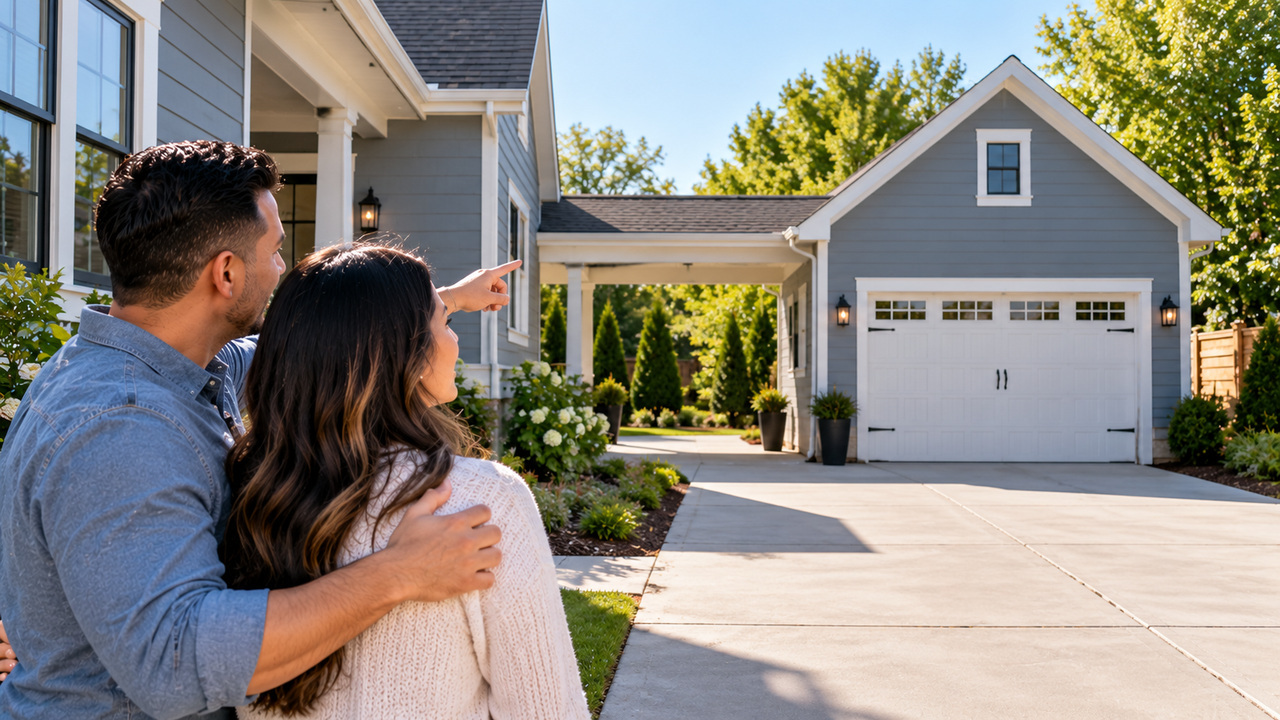
A detached garage can be a major selling point. It may provide covered parking, extra storage, or room for hobbies and projects. But buyers sometimes assume that every square foot of a detached structure adds value in the same way as living space inside the house. During a mortgage appraisal, the analysis is more specific. The appraiser looks at the structure’s condition, function, and contribution to market value.

A Garage Is Not the Same as Living Area

A detached garage is generally evaluated separately from the home’s finished living area. Even if it has electricity, insulation, or finished walls, that does not automatically make it part of the residence’s gross living area.

The distinction is important because listing descriptions sometimes combine different types of space in ways that sound impressive but do not match appraisal reporting standards. A 2,000-square-foot house with a 600-square-foot detached garage is not necessarily a 2,600-square-foot home for appraisal purposes.

Condition and Construction Count

An appraiser may note the garage’s size, construction quality, accessibility, and overall condition. A well-maintained structure with a functional door and sound roof can appeal to buyers. A building with foundation damage, water intrusion, or unsafe wiring may present a different picture.

The appraiser also considers whether the structure is typical for the neighborhood. A detached two-car garage may be highly desirable where off-street parking is scarce. In an area where nearly every home has a similar garage, it may be viewed as a standard feature rather than a premium upgrade.

What About Workshops and Converted Garages?

Some detached garages have been converted into workshops, studios, or other specialized spaces. These improvements may be useful to a particular owner, but they do not necessarily contribute their full construction cost to market value.

If a structure has plumbing, a bathroom, or sleeping quarters, the lender and appraiser may need to understand whether the work was permitted and how the space is legally classified. A finished room over a garage, for example, may be treated differently depending on its access, utilities, local requirements, and the applicable appraisal standards.

Permits and Safety Can Raise Questions

Unpermitted additions or unsafe conditions can complicate a transaction. The exact response depends on the loan program, the property, and the nature of the issue. A lender might request documentation, further evaluation, or repairs before closing.

Buyers should also check whether a detached structure sits within property boundaries and complies with setbacks or other local rules. These questions are especially relevant when the garage was added long after the original home was built.

How Buyers Can Prepare

Before making an offer, ask about the garage’s age, permits, known repairs, and current use. If the structure is a major reason you want the property, discuss it with your mortgage professional and avoid assuming it will support a specific increase in appraised value.

A detached garage can absolutely make a home more useful and appealing. Its value in a mortgage appraisal, however, comes from market evidence and the structure’s actual characteristics, not simply its square footage or replacement cost.
Filed Under: Mortgage Tagged With: Detached Garage, Mortgage Tips, Property Value

Why Regular Home Maintenance Is More Than Just a Chore

November 21, 2024 by Kay Monigold

Owning a home is huge and one of the most valuable investments many of us will ever make. Like any valuable asset, your home requires care and upkeep to ensure it stays in great condition, retains value, and remains a safe, comfortable haven.

Here’s why making regular home maintenance a priority pays off in the long run:

1. Preserve Property Value
A well-maintained home can significantly enhance curb appeal and preserve, or even increase, property value. Regular upkeep such as painting the exterior, maintaining landscaping, and fixing minor issues as they arise helps prevent wear and tear. If you ever decide to sell, a home in great condition can command a higher market price and attract more interested buyers.

2. Avoid Costly Repairs
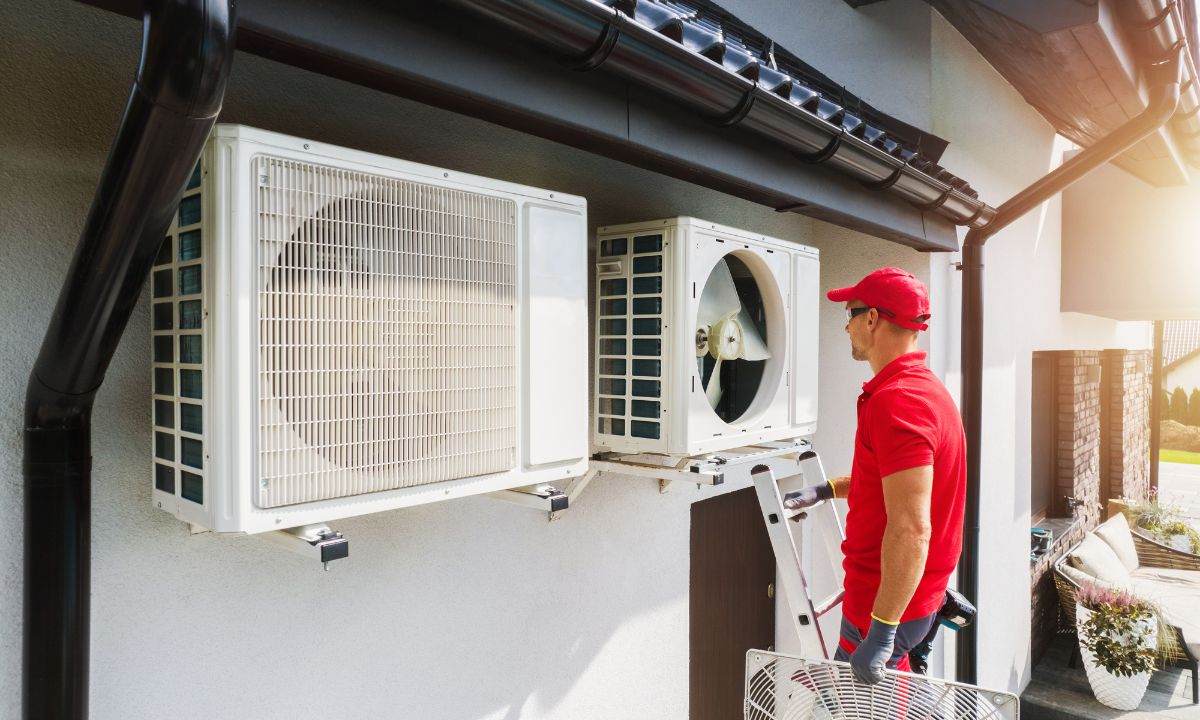
Regular home maintenance can prevent small problems from escalating into expensive repairs. For instance, addressing minor leaks early can help you avoid costly water damage, while keeping gutters clean can prevent structural damage to your foundation. Routine inspections of key systems such as your roof, HVAC, plumbing, and electrical can catch potential issues before they become major headaches, saving you both stress and money in the long run.

3. Ensure Safety and Comfort
A safe and comfortable home is a happy home. Tasks like checking smoke detectors and carbon monoxide alarms, inspecting electrical systems for hazards, and maintaining your heating and cooling systems are critical to your family’s safety. In addition, regular maintenance helps ensure that your home remains a comfortable place to live, whether it’s by keeping temperatures stable, addressing drafts, or making sure key systems are functioning properly.

4. Improve Energy Efficiency
Energy efficiency not only helps reduce utility bills but also minimizes your environmental footprint. Simple maintenance tasks like replacing air filters, sealing gaps around windows and doors, and keeping your HVAC system in top shape can lower energy consumption. Regularly servicing your appliances ensures that they operate at peak efficiency, keeping your home comfortable while saving you money month after month.

5. Extend the Lifespan of Home Systems
Everything from your HVAC system and appliances to your roof and plumbing has a finite lifespan. However, with regular maintenance, you can significantly extend the life of these systems. Proper care, like cleaning and servicing, reduces wear and tear and minimizes the chance of unexpected breakdowns. This means fewer replacement costs and more years of use of your home’s systems and appliances.

Regular home maintenance is an investment in your home’s future, safeguarding its value and your comfort. By proactively taking care of small tasks and addressing issues early, you can save money, enhance your quality of life, and protect the longevity of your home systems. Embrace maintenance as a means of preserving and enhancing one of your greatest investments.

Filed Under: Around The Home Tagged With: Home Maintenance, Preventative Care, Property Value

Next Page »

Our Team

Kay MonigoldKay Monigold
Owner/Mortgage Broker/Residential Mortgage Loan Originator
NMLS#1086176

Steven LoweSteven P Lowe, Sr
Residential Mortgage Loan Originator
NMLS #1085638

GET A RATE QUOTE →

Connect with Us!

Browse Articles by Category

Accessibility Statement

We are committed to ensuring that its website is accessible to people with disabilities. All the pages on our website will meet W3C WAI’s Web Content Accessibility Guidelines 2.0, Level A conformance. Website Accessibility Policy

Equal Housing Lender


100 Independence Place, Ste. 308
Tyler, TX 75703
nmlsconsumeraccess.org

Quick Links

  • About
    • About Us
    • Texas Complaint Notice
  • Get a Rate Quote
  • Resources
    • Loan Process
  • Contact Us

Copyright © 2026 · Powered by MySMARTblog

Copyright © 2026 · Genesis Sample Theme on Genesis Framework · WordPress · Log in