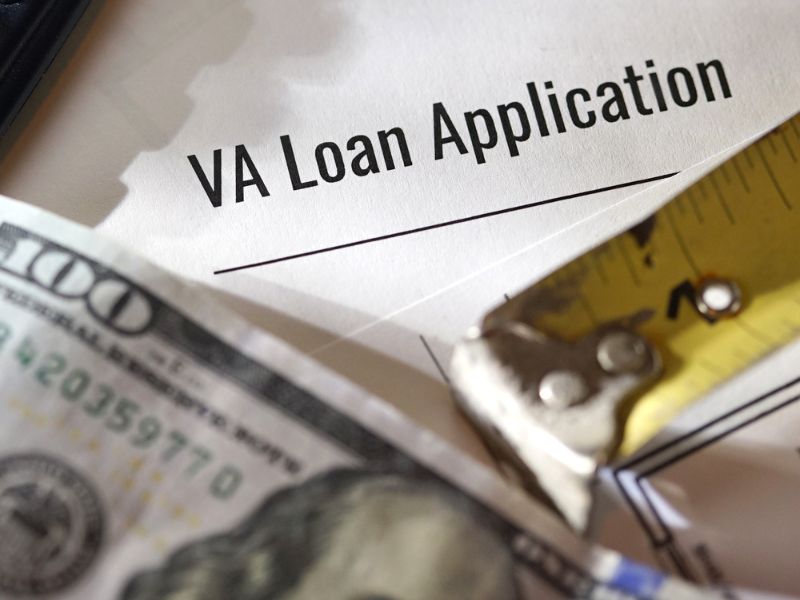
 For the brave men and women who have served in the armed forces, the dream of homeownership becomes more attainable and rewarding through the power of VA loans. We will discuss the unique features that make VA loans a tool for veterans, empowering them to secure homes with financial flexibility and favorable terms.
No Down Payment: Breaking the Barriers
VA loans stand out prominently by eliminating one of the most significant barriers to homeownership – the down payment. For veterans, this means the opportunity to own a home without the burden of accumulating a substantial upfront amount. The power of no down payment not only eases the financial strain but also accelerates the journey to homeownership.
Competitive Interest Rates: Long-Term Savings
Veterans are not only exempt from a down payment, but they also enjoy competitive interest rates. The lower interest rates associated with VA loans translate into substantial long-term savings. This powerful advantage not only makes homeownership more affordable but also contributes to the financial well-being of veterans over the life of the loan.
Flexibility in Credit Requirements: Opening Doors
The flexibility in credit requirements is another aspect of the power of VA loans. Veterans with varying credit profiles can often qualify for VA loans, providing an opportunity for those who may face challenges in conventional lending environments. This inclusivity widens the scope of homeownership for a diverse range of veterans.
The VA Home Loan Guaranty: A Safety Net
The VA’s Home Loan Guaranty program adds an extra layer of security to the power of VA loans. By guaranteeing a portion of the loan, the VA instills confidence in lenders, encouraging them to offer favorable terms to veterans. This not only benefits the veteran but also creates a win-win situation for both the borrower and the lender.
Streamlined Process: Simplifying Homebuying
The power of VA loans extends beyond financial advantages. The loan application process is often streamlined, making it more straightforward for veterans to navigate. From obtaining the Certificate of Eligibility to choosing a VA-approved lender, the process is designed to be efficient, reducing the stress associated with traditional mortgage applications.
Additional Benefits: Beyond the Loan
VA loans come with additional perks, such as potential property tax exemptions and the ability to assume a VA loan. These extra benefits further enhance the overall package, making the homeownership journey for veterans even more rewarding.
The power of VA loans for veterans is multifaceted, encompassing financial advantages, streamlined processes, and additional benefits. As a tribute to the service and sacrifice of our veterans, these loans serve as a key that unlocks the door to homeownership, providing a tangible and meaningful way to honor those who have selflessly served our nation. It’s not just about owning a home; it’s about empowering our veterans to build a secure and prosperous future.
 Mortgage prepayment penalties are fees charged by lenders when borrowers pay off their mortgages before the agreed-upon term. These penalties are designed to compensate lenders for potential lost interest income and can significantly impact borrowers who want to pay off their mortgages early. Here’s what borrowers should watch out for and how to avoid or mitigate prepayment penalties: