 In the world of home financing, mortgage points are a powerful yet often misunderstood tool that can significantly impact your long-term financial outlook. Whether you’re purchasing a home or refinancing, understanding how these points work can help you make more informed decisions that align with your financial goals.
What Are Mortgage Points?
Mortgage points, also known as discount points, are a way for borrowers to reduce the interest rate on their loan by making an upfront payment. Each point typically costs 1% of the total loan amount and can reduce your interest rate by around 0.25%. The idea is simple: pay more upfront to save on interest over the life of the loan.
Types of Mortgage Points: Discount vs. Origination
There are two main types of points to be aware of:
- Discount Points
These points allow borrowers to lower their interest rate by making an upfront payment. The more discount points you buy, the lower your interest rate, which can lead to significant savings on your monthly mortgage payment. This option is most beneficial if you plan to stay in your home for a long period, as the upfront cost of purchasing points will be recouped through the interest savings over time. - Origination Points
Origination points, on the other hand, are fees paid to the lender for processing the loan. These points don’t reduce your interest rate but are part of the overall cost of obtaining the loan.
When Do Mortgage Points Make Sense?
Deciding whether to purchase mortgage points depends on several factors. Here are a few key considerations:
- Long-Term Homeownership
If you plan to stay in your home for several years, buying discount points can make financial sense. The longer you stay, the more you benefit from the reduced interest rate. For example, if you’re in your home for 10 or more years, the savings from a lower rate can easily outweigh the initial cost of the points. - Upfront Investment
Purchasing mortgage points requires an upfront investment. It’s essential to evaluate whether you have the funds available to cover these costs. If you can comfortably afford the upfront expense, the savings over the life of the loan may be worth it. - Interest Rate Environment
The current interest rate landscape plays a role in determining whether buying points is a good move. In a low-interest-rate market, purchasing points to further lower your rate may offer significant savings. However, if rates are already low, the additional reduction may not provide as much benefit. - Loan Comparison
It’s important to compare offers from different lenders. Some lenders may offer more favorable terms on points, making it easier to achieve the desired interest rate reduction. By analyzing multiple loan offers, you can determine the best combination of points and interest rates for your situation
By understanding the role of mortgage points, you can tailor your financing strategy to suit your financial goals. Whether you’re considering purchasing or refinancing, the decision to buy points should align with your long-term homeownership plans, your ability to invest upfront, and the current interest rate market. By taking these factors into account, you’ll be better equipped to make informed decisions that pave the way to a secure financial future.
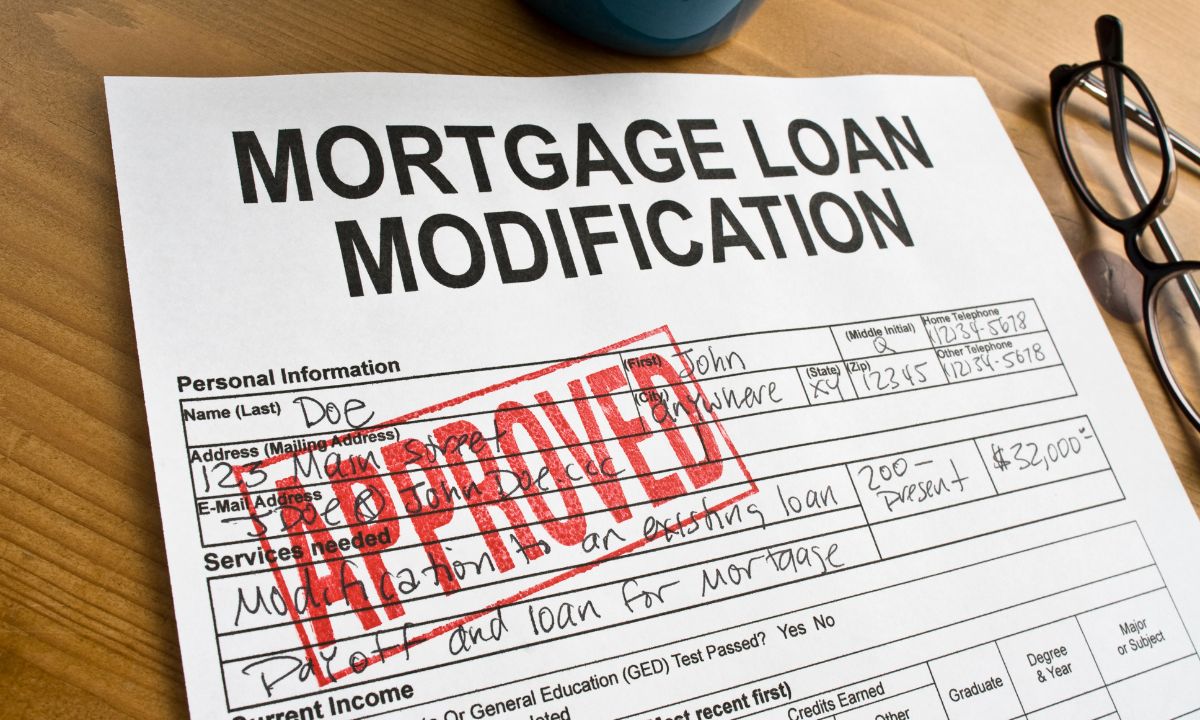 In times of financial hardship, such as job loss, medical emergencies, or economic downturns, homeowners may find it challenging to keep up with their mortgage payments. When facing such difficulties, understanding options like mortgage forbearance and loan modification can be crucial for maintaining stability and avoiding foreclosure. Let’s discuss what homeowners need to know about mortgage forbearance and loan modification, including their differences, implications, and how to navigate these options effectively.