
Avenue Mortgage, LLC

NMLS #1115220

  • Home
  • About
    • About Kay
    • Accessibility Statement
    • Texas Complaint Notice
  • Blog
  • Our Resources
    • First Time Seller Tips
    • First Time Buyer Tips
    • Home Appraisal
    • Home Inspection
    • Loan Checklist
    • Loan Process
    • Loan Programs
    • Mortgage Glossary
    • Mortgage FAQ
    • What to Expect at a Loan Closing: A Step-by-Step Guide
  • Our Reviews
  • Contact Us

Why a Home With a Shared Septic System Can Complicate Mortgage Financing

October 13, 2026 by Kay Monigold

A home can look perfect during a showing, but certain features of the property may create questions when it comes time to secure a mortgage. One situation buyers may not anticipate is purchasing a home that shares a septic system with another property.

While shared systems can function effectively, they may require additional documentation and review before financing can move forward.

Understanding How a Shared Septic System Works
Most buyers are familiar with homes that connect to a public sewer system or have their own private septic tank. However, some properties share a wastewater treatment system with one or more neighboring homes.

This arrangement may have been established when the properties were originally developed or when land was divided into separate parcels. Although each home has its own plumbing, wastewater from multiple properties may flow into a common treatment system.

The important question is not simply whether the system works. Buyers also need to understand who owns it, who maintains it, and how responsibilities are divided.

Why Lenders May Request Additional Information
Mortgage lenders evaluate more than the buyer’s income and credit history. They also review the property to determine whether it meets the requirements of the loan program.

When a septic system is shared, the lender may need documentation establishing the legal right to use the system. Depending on the loan program and circumstances, this could include recorded agreements, easements, maintenance provisions, or other property records.

The lender may also need confirmation that the system meets applicable health and safety requirements.

Requirements vary by mortgage program, so buyers should not assume that every shared system will create the same financing challenges.

Who Pays When Something Goes Wrong?

A shared septic system creates an important financial question: What happens when repairs are needed?

If the tank requires pumping, a drain field fails, or the system needs replacement, the cost may be shared among participating property owners.

A written agreement can help establish how expenses are divided, who arranges maintenance, and what happens if one owner refuses to contribute.

Without clear arrangements, buyers could face unexpected disagreements or expenses after purchasing the property.

Ask Questions Before Making an Offer

Buyers considering a home with a shared septic system should request available agreements, maintenance records, inspection information, and details about participating properties.

They should also discuss the arrangement with their mortgage professional early in the process rather than waiting until underwriting begins.

A shared septic system does not automatically prevent someone from obtaining a mortgage. However, understanding the property’s legal and maintenance arrangements before making a purchase can help buyers avoid surprises, evaluate future responsibilities, and move through the financing process with greater confidence.
Filed Under: Mortgage Tips Tagged With: Home Buyer Tips, Mortgage Financing, Septic Systems

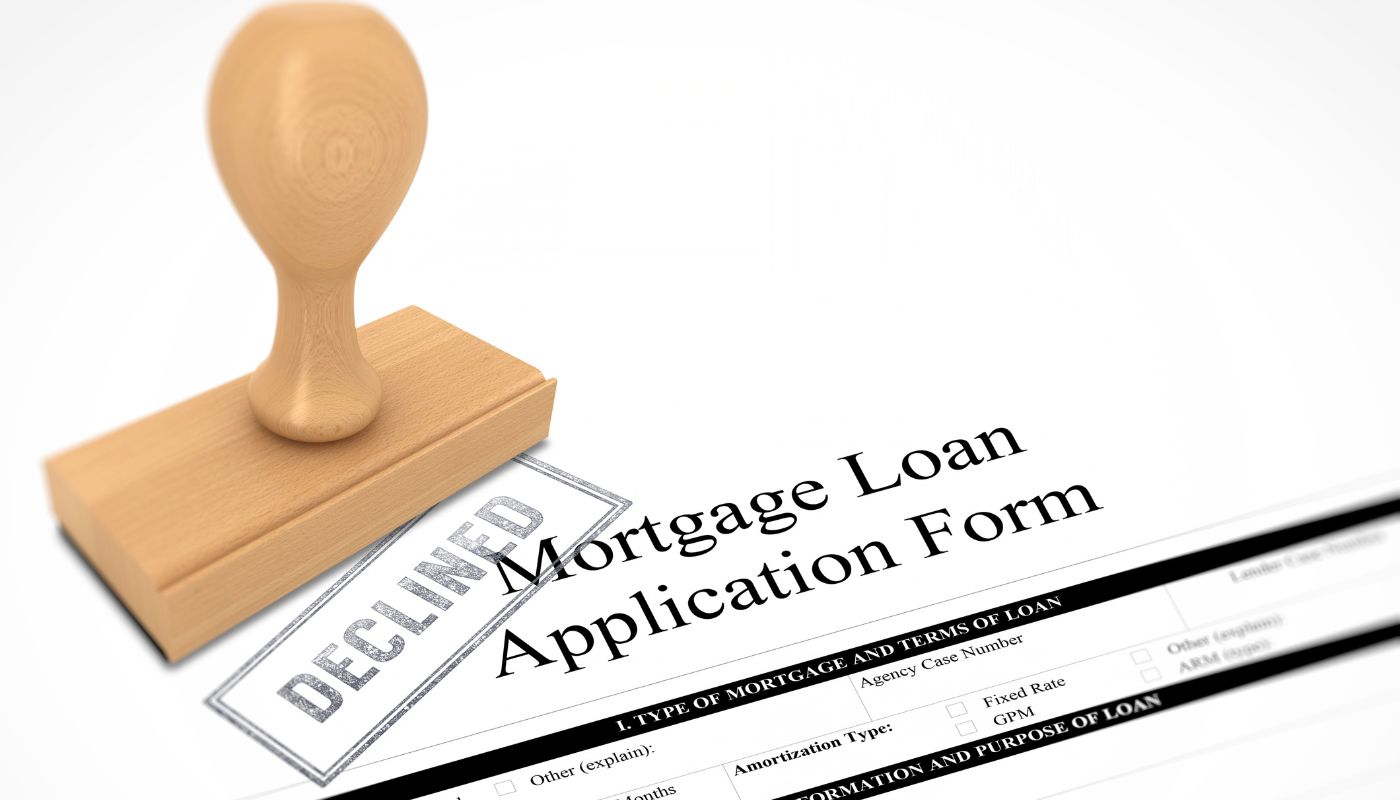
Turned Down for a Mortgage? What to Do if You are Declined

October 27, 2023 by Kay Monigold Leave a Comment

If you have been declined for a mortgage, you may think that buying that new home is out of reach. However, there are ways to turn a rejection into an approval and to find a more accessible loan. Here are just a few steps you can take to learn about your loan options and get the mortgage that works for you.

Find Out Why The Mortgage Application Was Denied

The first step to getting a second opinion is to find out why your mortgage application was denied. Banks commonly deny mortgages for reasons like a low credit score, a high debt-to-income ratio, or concerns about the applicant’s past and present employment status.

To qualify for a mortgage, most lenders want to see someone with a credit score of 640, a debt-to-income ratio of less than 43 percent after the mortgage is included and at least 30 days in your current position if using wage income to qualify for the loan.

Not All Lenders View An Application The Same Way

A good reason why it is worthwhile to ask for a second opinion about your ability to get a loan is because no two lenders will view an application the same way. For one lender, a credit score of 650 is insufficient for getting a loan – but another lender might be more than happy to offer you a mortgage with a score of 650. To get a second opinion, you may wish to talk to a mortgage broker who will be able to scan a variety of loan programs to find one that works for you.

There Are Ways To Find Down Payment And Closing Cost Assistance

Those who have a low credit score or other questionable metrics may be able to qualify for a loan by offering a larger down payment. While a first-time buyer may not have the cash on hand to make a larger payment, there may be programs that provide grants or low-interest loans that can be used as part of your down payment or to help pay closing costs. With this extra money, it may be possible to overcome lender objections and obtain a mortgage.

If your mortgage application has been rejected, it doesn’t mean that you can’t get a mortgage from another lender. If you’re ready to buy a house but just need to clear the mortgage approval hurdle, there are ways to get a leg up.

Filed Under: Home Mortgage Tagged With: Mortgage Acceptance, Mortgage Financing, Mortgage Tips

Next Page »

Our Team

Kay MonigoldKay Monigold
Owner/Mortgage Broker/Residential Mortgage Loan Originator
NMLS#1086176

Steven LoweSteven P Lowe, Sr
Residential Mortgage Loan Originator
NMLS #1085638

GET A RATE QUOTE →

Connect with Us!

Browse Articles by Category

Accessibility Statement

We are committed to ensuring that its website is accessible to people with disabilities. All the pages on our website will meet W3C WAI’s Web Content Accessibility Guidelines 2.0, Level A conformance. Website Accessibility Policy

Equal Housing Lender


100 Independence Place, Ste. 308
Tyler, TX 75703
nmlsconsumeraccess.org

Quick Links

  • About
    • About Us
    • Texas Complaint Notice
  • Get a Rate Quote
  • Resources
    • Loan Process
  • Contact Us

Copyright © 2026 · Powered by MySMARTblog

Copyright © 2026 · Genesis Sample Theme on Genesis Framework · WordPress · Log in