Avenue Mortgage, LLC

NMLS #1115220

  • Home
  • About
    • About Kay
    • Accessibility Statement
    • Texas Complaint Notice
  • Blog
  • Our Resources
    • First Time Seller Tips
    • First Time Buyer Tips
    • Home Appraisal
    • Home Inspection
    • Loan Checklist
    • Loan Process
    • Loan Programs
    • Mortgage Glossary
    • Mortgage FAQ
    • What to Expect at a Loan Closing: A Step-by-Step Guide
  • Our Reviews
  • Contact Us

What Happens When the Seller Has Not Paid Off a Home Improvement Loan?

October 14, 2026 by Kay Monigold

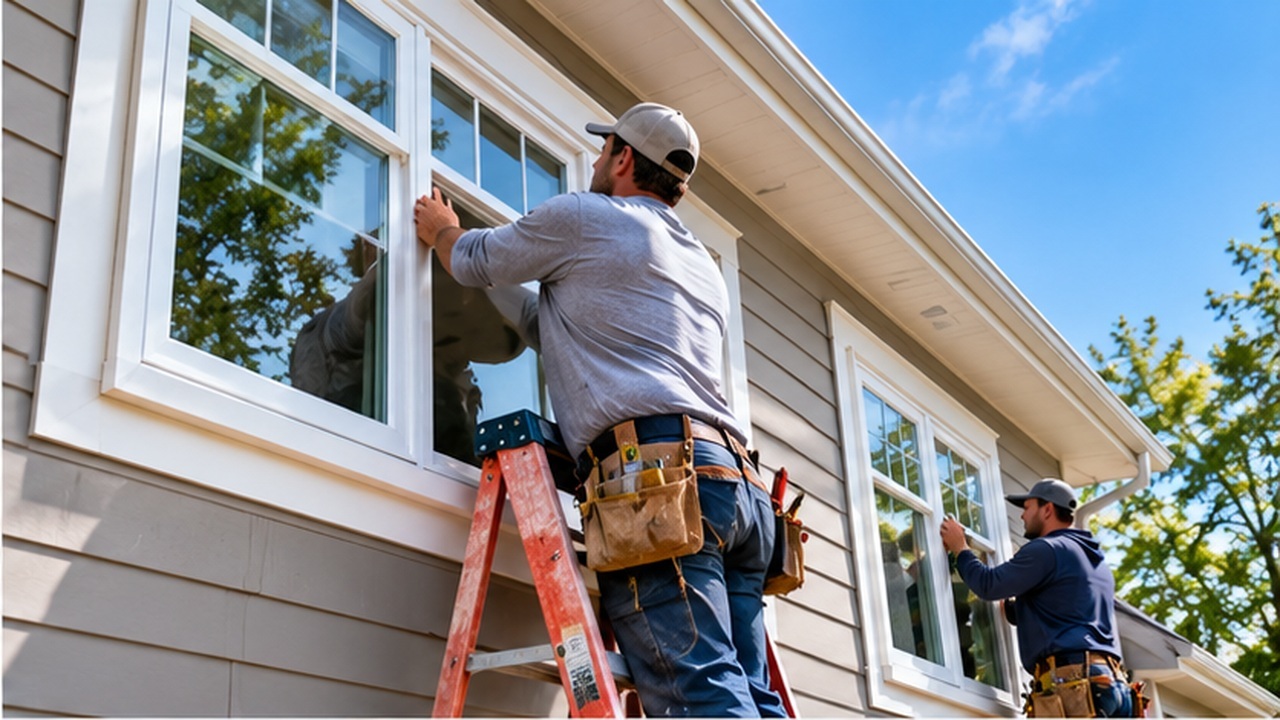
A newly installed roof, upgraded windows, or modern heating system can make a home more attractive to buyers. However, what happens when the seller is still making payments on those improvements?

Depending on how the work was financed, an outstanding home improvement loan could affect the sale, the title review, and even the buyer’s mortgage closing.

Not All Home Improvement Loans Work the Same Way
Homeowners finance improvements through several methods, including personal loans, home equity loans, contractor financing, and property-assessed financing programs.

Some financing arrangements are unsecured, meaning the loan is based primarily on the borrower’s credit rather than a claim against the property.

Others may be secured by the home, creating a lien or another obligation that must be addressed during the sale.

This distinction matters because an unpaid personal loan does not necessarily interfere with transferring ownership, while a loan secured by the property may need to be resolved before closing.

Why the Title Search Matters
During the mortgage process, a title search helps identify recorded liens, ownership issues, and other claims affecting the property.

If the seller financed a renovation through a loan secured by the home, the outstanding balance may appear in the title records.

The title company and closing professionals will determine what must be paid or released to provide the title required for the transaction.

In many cases, the seller can use proceeds from the sale to pay off an outstanding secured loan. However, the payoff amount and necessary documentation must be obtained before the transaction is finalized.

Special Considerations for Property-Assessed Financing
Some energy-efficient improvements are financed through Property Assessed Clean Energy, commonly called PACE, programs.

Unlike traditional personal loans, these obligations may be collected through property tax assessments.

Depending on the program and mortgage requirements, an outstanding PACE assessment can create additional questions about lien priority, payoff obligations, and whether the financing arrangement is acceptable.

Buyers should never assume that an obligation can simply remain attached to the property without affecting their mortgage.

What Buyers Should Ask Before Closing
If a seller advertises recently completed improvements, buyers can ask whether the work has been fully paid for.

They should also find out whether any financing arrangements, warranties, or service agreements are connected to the improvements.

The goal is not to discourage buyers from purchasing homes with recent renovations. Instead, it is to make sure that the financial obligations associated with those improvements are clearly understood.

A beautiful renovation can add appeal to a property, but the paperwork behind it matters too. Addressing outstanding financing early helps protect the transaction from unexpected delays and gives buyers greater confidence about what they are purchasing.

Filed Under: Mortgage Tips Tagged With: Home Improvement Loan, Mortgage Education, Mortgage Tips

What Happens to Your Mortgage When the Home Has an Unfinished Addition?

October 8, 2026 by Kay Monigold

You find a home you love, but there is one unusual feature. Maybe the previous owner started adding a bedroom and never finished it. Perhaps a bathroom is partially remodeled, a garage conversion is incomplete, or a new section of the house is still visibly under construction.

Buyers may see opportunity in unfinished space, but a mortgage lender may need to evaluate the property as it exists today.

Financing Is Based on the Current Property
It is easy to walk through an unfinished addition and imagine what it could become.

The mortgage transaction, however, generally has to consider the property’s current condition rather than simply the buyer’s plans for completing it later.

The appraiser may need to identify unfinished areas and determine how they affect the property being valued.

Not All Unfinished Projects Are Equal
Missing cosmetic finishes are different from major incomplete construction.

A room awaiting paint or updated flooring presents a different situation than an addition with exposed framing, unfinished electrical work, missing plumbing fixtures, or other incomplete components.

The extent and type of unfinished work can influence what questions need to be answered.

Permits Can Become Part of the Conversation
An addition also raises another important question: Was the work properly permitted when required?

Buyers should understand what was added, who performed the work, and what information is available through the seller or applicable local records.

An attractive partially completed space should not automatically be assumed to be recognized living area.

Do Not Assume You Can Finish It After Closing
Buyers sometimes approach an unfinished project with a simple plan: purchase the property now and complete everything later.

That may ultimately be possible, but it should not be assumed before the financing has been reviewed.

Depending on the property condition and mortgage program, incomplete work could require additional evaluation or affect available financing options.

If you are seriously considering a home with an unfinished addition, show the details to your mortgage professional as early as possible. Photos, listing information, disclosures, and information about the work can help start the conversation.

A half-finished room may look like an opportunity to create exactly what you want.

Just remember that before you can finish the project as the homeowner, you first have to successfully purchase the property in its present condition.

Filed Under: Mortgage Tips Tagged With: Home Buying, Mortgage Education, Mortgage Tips

« Previous Page
Next Page »

Our Team

Kay MonigoldKay Monigold
Owner/Mortgage Broker/Residential Mortgage Loan Originator
NMLS#1086176

Steven LoweSteven P Lowe, Sr
Residential Mortgage Loan Originator
NMLS #1085638

GET A RATE QUOTE →

Connect with Us!

Browse Articles by Category

Accessibility Statement

We are committed to ensuring that its website is accessible to people with disabilities. All the pages on our website will meet W3C WAI’s Web Content Accessibility Guidelines 2.0, Level A conformance. Website Accessibility Policy

Equal Housing Lender


100 Independence Place, Ste. 308
Tyler, TX 75703
nmlsconsumeraccess.org

Quick Links

  • About
    • About Us
    • Texas Complaint Notice
  • Get a Rate Quote
  • Resources
    • Loan Process
  • Contact Us

Copyright © 2026 · Powered by MySMARTblog

Copyright © 2026 · Genesis Sample Theme on Genesis Framework · WordPress · Log in