Avenue Mortgage, LLC

NMLS #1115220

  • Home
  • About
    • About Kay
    • Accessibility Statement
    • Texas Complaint Notice
  • Blog
  • Our Resources
    • First Time Seller Tips
    • First Time Buyer Tips
    • Home Appraisal
    • Home Inspection
    • Loan Checklist
    • Loan Process
    • Loan Programs
    • Mortgage Glossary
    • Mortgage FAQ
    • What to Expect at a Loan Closing: A Step-by-Step Guide
  • Our Reviews
  • Contact Us

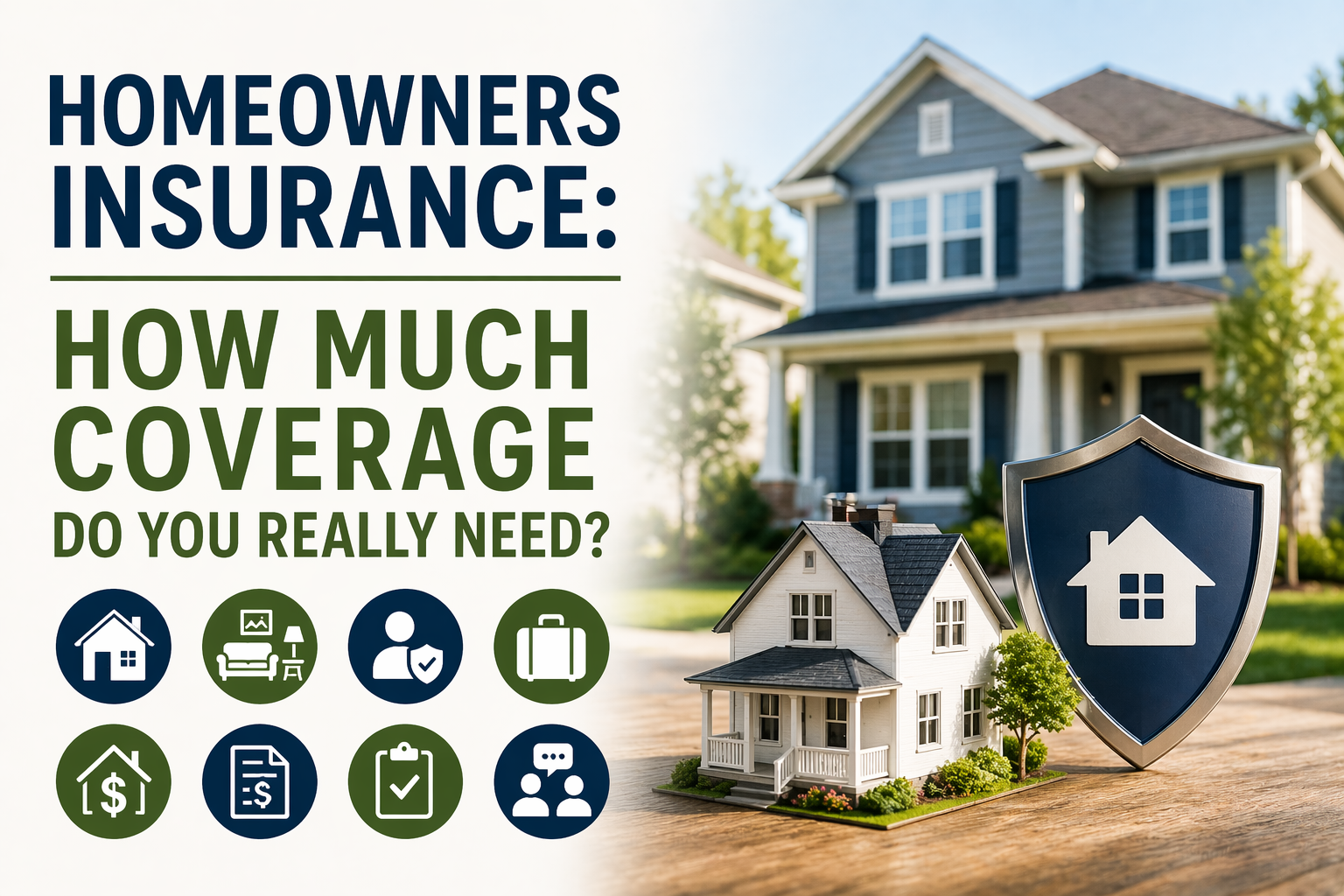
Homeowners Insurance: How Much Coverage Do You Really Need?

April 22, 2026 by Kay Monigold

Buying a home is a big deal—and protecting it properly matters just as much as purchasing it in the first place.

Homeowners insurance isn’t just a box to check. It’s what stands between you and a potentially massive financial hit if something unexpected happens. The tricky part? Figuring out how much coverage is actually enough.

Here’s how to think about it.

1. Focus on Rebuild Cost, Not Market Value

One of the most common mistakes is basing coverage on your home’s market value.

What you really want to insure is the cost to rebuild your home from the ground up—including materials, labor, and current construction costs.

Market value includes land and location. Insurance does not.

2. Understand What Your Policy Actually Covers

Homeowners insurance isn’t one thing—it’s a bundle of protections. The key components usually include:

  • Dwelling coverage (the structure itself)
  • Personal property (your belongings)
  • Liability protection (if someone gets hurt or you cause damage)
  • Additional living expenses (ALE) (temporary housing if needed)

Knowing what each piece does helps you avoid gaps that only show up at the worst possible time.

3. Take Inventory of What You Own

Most people underestimate how much their stuff is worth—until they have to replace it.

Walk through your home and take stock of:

  • Furniture
  • Electronics
  • Appliances
  • Clothing
  • High-value items (jewelry, art, etc.)

A quick inventory (even just photos on your phone) can help you choose more accurate coverage—and make claims way easier later.

4. Don’t Skimp on Liability Coverage

Liability coverage is one of the most overlooked—but important—parts of your policy.

If someone is injured on your property or you accidentally cause damage elsewhere, this is what protects your finances.

In many cases, increasing liability coverage is relatively inexpensive—and worth the added peace of mind.

5. Plan for “Life Happens” Scenarios

If your home becomes unlivable due to a covered event, where would you go?

Additional Living Expenses (ALE) coverage helps pay for:

  • Temporary housing
  • Meals
  • Other day-to-day costs

Make sure this coverage is realistic for your area—especially if rental prices are high.

6. Choose a Deductible That Actually Makes Sense

Your deductible is what you pay out of pocket before insurance kicks in.

  • Higher deductible = lower monthly premium
  • Lower deductible = higher monthly premium

The key question: Could you comfortably pay your deductible tomorrow if you had to?

If the answer is “uh… not really,” it may be worth adjusting.

7. Review and Update Your Coverage Regularly

Your insurance shouldn’t stay static.

Revisit your policy when:

  • You renovate or upgrade your home
  • You purchase expensive items
  • Construction costs rise
  • Your life situation changes

What was “enough” coverage two years ago might not be today.

Final Thoughts

The goal of homeowners insurance isn’t just coverage—it’s confidence.

When your policy is set up correctly, you’re not second-guessing what would happen in a worst-case scenario—you already know you’re covered.

If you’re unsure where you stand, it’s always worth connecting with an insurance professional who can walk you through your options and make sure nothing important is overlooked.

Filed Under: Mortgage Tagged With: Home Buyer Tips, Homeowners Insurance, Mortgages

Understanding the Vital Role of Homeowners Insurance in Mortgage Agreements

May 10, 2024 by Kay Monigold

Owning a home is a dream for many, representing a significant milestone and a considerable financial investment. However, along with the excitement of homeownership comes a set of responsibilities and financial commitments. One of the most crucial aspects of safeguarding your investment is securing homeowners insurance. 

Protecting Your Investment

Your home is likely the most valuable asset you own. Whether you’ve recently purchased a property or you’re considering buying one, protecting it against unforeseen events is paramount. Homeowners insurance provides financial protection against damages to your home and its contents caused by fire, theft, vandalism, natural disasters, and other perils outlined in your policy.

Fulfilling Lender Requirements

When you finance the purchase of a home through a mortgage, your lender assumes a considerable risk. To mitigate this risk, lenders typically require borrowers to obtain homeowners insurance as a condition of the mortgage agreement. This requirement ensures that if your home is damaged or destroyed, the lender’s investment is protected.

Understanding Coverage

Homeowners insurance policies vary in terms of coverage and cost, so it’s essential to understand what your policy includes. Standard policies typically cover the structure of your home, personal belongings, liability protection, and additional living expenses if you’re unable to live in your home due to covered damages. However, it’s essential to review the specifics of your policy and consider additional coverage options, such as flood insurance or earthquake insurance, depending on your location and individual needs.

Meeting Legal Obligations

In addition to protecting your investment and fulfilling lender requirements, homeowners insurance may also be a legal obligation. While there is no federal law mandating homeowners insurance, some states or mortgage lenders may require it. Even if it’s not required by law, securing insurance is a wise decision to protect yourself financially in the event of unexpected losses.

Peace of Mind

Beyond the financial and legal aspects, homeowners insurance offers peace of mind. Knowing that your home and belongings are protected against potential risks provides a sense of security for you and your family. Whether it’s a minor incident like a broken window or a more significant event like a fire or natural disaster, having insurance coverage can help alleviate the financial burden during difficult times.

As a homebuyer, understanding the importance of homeowners insurance in mortgage agreements is crucial for protecting your investment and complying with lender requirements. By securing adequate coverage, you can safeguard your home against unforeseen risks, fulfill legal obligations, and enjoy peace of mind knowing that you’re prepared for whatever life may bring. Remember to review your policy regularly, update coverage as needed, and consult with insurance professionals to ensure you have the right level of protection for your home and belongings. After all, when it comes to homeownership, being prepared is key to long-term financial security and peace of mind.

Filed Under: Mortgage Tips Tagged With: Homeowners Insurance, Mortgage, Protection

Next Page »

Our Team

Kay MonigoldKay Monigold
Owner/Mortgage Broker/Residential Mortgage Loan Originator
NMLS#1086176

Steven LoweSteven P Lowe, Sr
Residential Mortgage Loan Originator
NMLS #1085638

GET A RATE QUOTE →

Connect with Us!

Browse Articles by Category

Accessibility Statement

We are committed to ensuring that its website is accessible to people with disabilities. All the pages on our website will meet W3C WAI’s Web Content Accessibility Guidelines 2.0, Level A conformance. Website Accessibility Policy

Equal Housing Lender


100 Independence Place, Ste. 308
Tyler, TX 75703
nmlsconsumeraccess.org

Quick Links

  • About
    • About Us
    • Texas Complaint Notice
  • Get a Rate Quote
  • Resources
    • Loan Process
  • Contact Us

Copyright © 2026 · Powered by MySMARTblog

Copyright © 2026 · Genesis Sample Theme on Genesis Framework · WordPress · Log in