Avenue Mortgage, LLC

NMLS #1115220

  • Home
  • About
    • About Kay
    • Accessibility Statement
    • Texas Complaint Notice
  • Blog
  • Our Resources
    • First Time Seller Tips
    • First Time Buyer Tips
    • Home Appraisal
    • Home Inspection
    • Loan Checklist
    • Loan Process
    • Loan Programs
    • Mortgage Glossary
    • Mortgage FAQ
    • What to Expect at a Loan Closing: A Step-by-Step Guide
  • Our Reviews
  • Contact Us

4 Ways to Help Your Mortgage Transaction Close On Time

September 4, 2026 by Kay Monigold

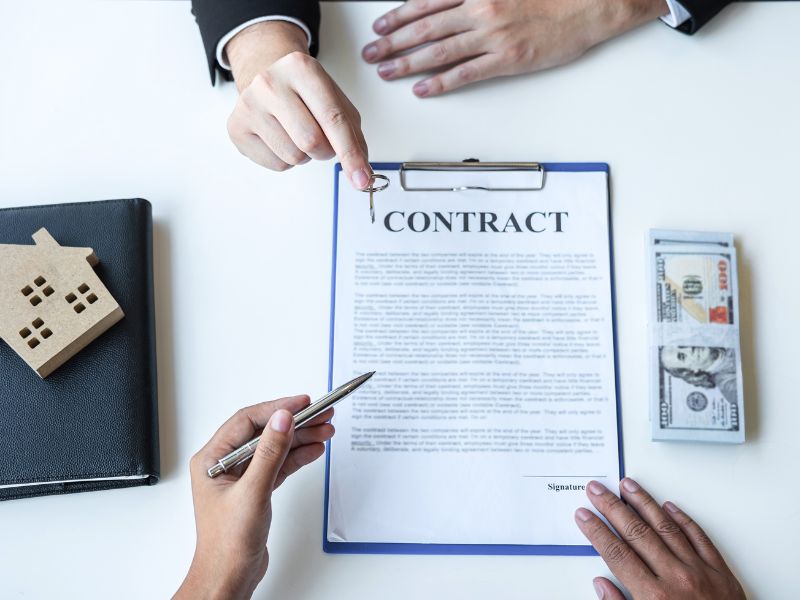
When you’ve finally found the home you’re looking for at the right price, it’s easy to think that the hard part is over; however, there’s still a lot to do in order to ensure your purchase goes through without a hitch. If you’re tying up the loose ends on your home purchase, here are some things you should do to avoid any unnecessary delays.

Hire A Legal Professional

However much research you may have done in regards to buying a home, there’s still a lot of legal jargon in the closing documents that can be difficult for most people to understand. Instead of doing guesswork, you may want to use an attorney who will take the difficulty out of the documents for you so there will be no holdups with the paperwork.

Arrange A Home Inspection

A home inspection is a necessary step before the sale of a home, but this is an important one to get out of the way because it can seriously impact your home purchase. Because major problems can often be discovered during inspection, getting this out of the way and deciding if an item should be fixed or the total price knocked down will ensure there are no delays at the last minute.

Acquire Title Insurance

In order to make sure your property really belongs to you, it’s a good idea to have a title search completed to see if there are any claims to your future property that could invalidate your purchase. As this is a legal safeguard for your claim to your home, it will help you avoid unnecessary issues in the event of an unknown property claim.

Determine The Closing Costs

An escrow company is responsible for holding the funds until all aspects of a home sale are complete, but there are fees that go along with this service. Before you get to the end of the process, determine what exactly the company will be charging so that you can be prepared for the final total. While fees are legitimate, if you see a higher tally than expected, you may want to negotiate for a reduced cost.

Purchasing a home is a significant investment full of hurdles you might not be aware of, but by acquiring title insurance and having a legal professional look through your documents, you can make your home purchase go a little smoother. 

Filed Under: Home Mortgage Tips Tagged With: Closing Costs, Home Mortgage Tips, Mortgage

Understanding “Cash to Close” in Your Home Buying Journey

July 16, 2026 by Kay Monigold

If you’ve received your Closing Disclosure from your lender, congratulations! You’re almost at the finish line of your home buying journey, ready to celebrate with keys in hand. The Closing Disclosure, or CD, is provided at least three business days before your closing appointment and details your loan terms, projected monthly payments, and the much-discussed “cash to close.” But what exactly is “cash to close,” and how is it calculated?

What is “Cash to Close”?

“Cash to close” is the total amount you’ll need to bring to your closing appointment to finalize your home purchase. It includes your down payment and closing costs, which are necessary to officially transfer ownership of the property to you. Each fee has a specific purpose, ensuring the legal and financial security of both you and the lender.

Breaking Down Closing Costs

Closing costs are part of the cash to close and cover a range of legal, administrative, and logistical fees associated with your mortgage. Here’s a look at some common components:

  • Appraisal Fees: Typically paid by the buyer, this fee covers the cost of determining the fair market value of the home.
  • Attorney Fees: These include charges for preparing closing documents and conducting a title search.
  • Title Insurance: Provides protection if a third party claims ownership of the property.
  • Application & Origination Fees: Cover lender costs for processing and underwriting your loan.
  • Mortgage Insurance: Required for certain loans, this protects the lender if you default.
  • Funding Fees: Charged for specific loan types like FHA, USDA, or VA loans.
  • Pest Inspection Fees: Usually for termite inspections, particularly in certain areas or on specific property types.

Each of these fees will be listed individually on your CD and contribute to your total cash to close amount. Some lenders may allow you to roll certain costs into your loan, but this varies and depends on factors like loan type and lender policies.

Earnest Money Deposit (EMD) and Down Payment

If you made an earnest money deposit when you agreed to purchase the home, this amount is held in escrow and typically applied toward your closing costs. The down payment, a major part of the cash to close, is based on your loan type and the amount you agreed to put down, which can range from as little as 0% to as much as 20% or more of the purchase price. Your lender will review and confirm these details well before closing.

Payment Options for Closing Costs

Lenders usually require a certified payment method. Here are a few options to consider:

  • Cashier’s Check: The most common form, which you can get from your bank. You’ll need the exact amount and payee information.
  • Certified Check: Another bank-issued option, ensuring funds are available and verified.
  • Wire Transfer: Convenient but requires advanced planning. Wire transfers can take a few days and should be carefully verified to avoid fraud.

Note: Cash, personal checks, and credit/debit cards aren’t accepted due to the high amounts and to ensure clear documentation of funds.

Verify all details on your Closing Disclosure and double-check your payment method with your lender. By staying informed and preparing early, you can ensure a seamless transition to homeownership.

Understanding “cash to close” can alleviate some of the uncertainty around finalizing your mortgage and help you walk confidently into your new home!

Filed Under: Home Mortgages Tagged With: Closing Costs, Home Loan Basics, Mortgage

Next Page »

Our Team

Kay MonigoldKay Monigold
Owner/Mortgage Broker/Residential Mortgage Loan Originator
NMLS#1086176

Steven LoweSteven P Lowe, Sr
Residential Mortgage Loan Originator
NMLS #1085638

GET A RATE QUOTE →

Connect with Us!

Browse Articles by Category

Accessibility Statement

We are committed to ensuring that its website is accessible to people with disabilities. All the pages on our website will meet W3C WAI’s Web Content Accessibility Guidelines 2.0, Level A conformance. Website Accessibility Policy

Equal Housing Lender


100 Independence Place, Ste. 308
Tyler, TX 75703
nmlsconsumeraccess.org

Quick Links

  • About
    • About Us
    • Texas Complaint Notice
  • Get a Rate Quote
  • Resources
    • Loan Process
  • Contact Us

Copyright © 2026 · Powered by MySMARTblog

Copyright © 2026 · Genesis Sample Theme on Genesis Framework · WordPress · Log in