Avenue Mortgage, LLC

NMLS #1115220

  • Home
  • About
    • About Kay
    • Accessibility Statement
    • Texas Complaint Notice
  • Blog
  • Our Resources
    • First Time Seller Tips
    • First Time Buyer Tips
    • Home Appraisal
    • Home Inspection
    • Loan Checklist
    • Loan Process
    • Loan Programs
    • Mortgage Glossary
    • Mortgage FAQ
    • What to Expect at a Loan Closing: A Step-by-Step Guide
  • Our Reviews
  • Contact Us

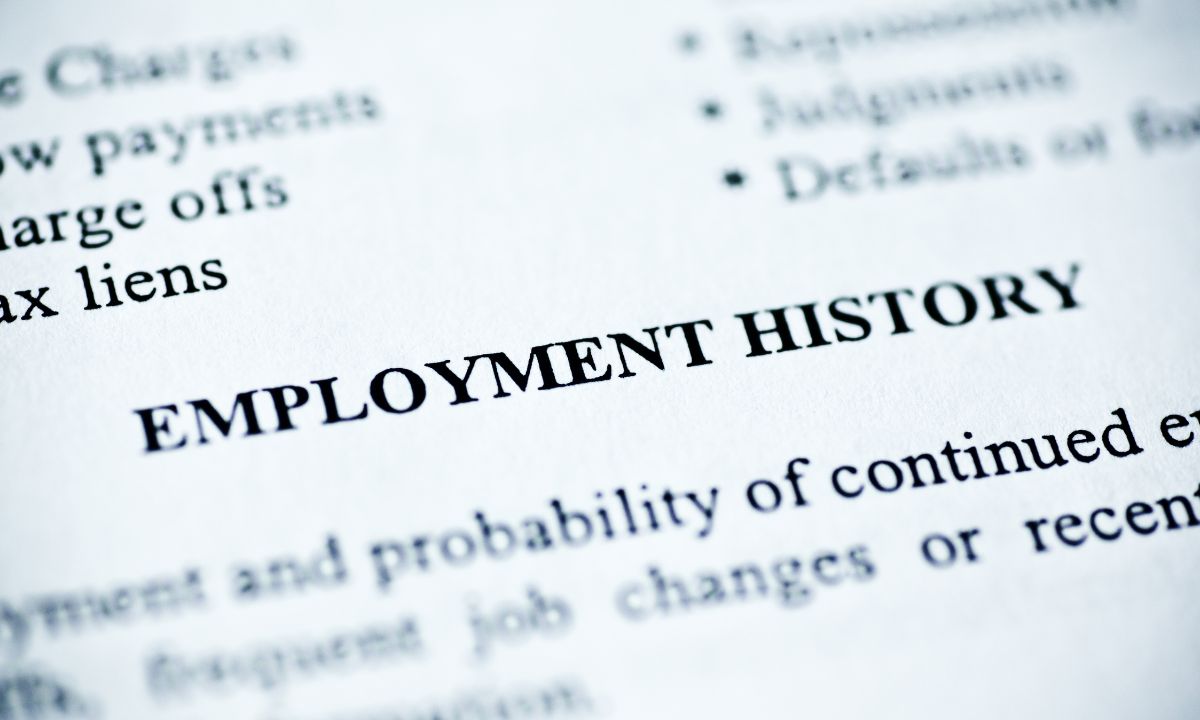
The Importance of Employment History in Mortgage Approval and How Job Changes Impact Your Chances

July 23, 2024 by Kay Monigold

When you’re applying for a mortgage, lenders scrutinize several aspects of your financial life to determine your eligibility. One crucial factor that can significantly influence the outcome is your employment history. Consistent and stable employment demonstrates to lenders that you have a reliable income stream, which reduces their risk in lending you money. However, job changes or gaps in employment can complicate the approval process. Let’s explore how your employment history affects mortgage approval and offer some solutions to mitigate potential issues.

Understanding the Importance of Employment History

Lenders look at your employment history to gauge your income stability. Typically, they prefer applicants with at least two years of consistent employment in the same field. This consistency suggests that you’re capable of maintaining steady employment, which translates to a steady income to pay off your mortgage.

How Job Changes Impact Mortgage Approval

  1. Frequent Job Changes: If you change jobs frequently, it can signal instability to lenders. They may worry that you’re at risk of unemployment, which could affect your ability to make mortgage payments.
  2. Gaps in Employment: Extended periods without employment can also be a red flag. Lenders might question your financial stability and your ability to maintain a steady income.
  3. Career Changes: Switching to a completely different career field can be seen as risky. Lenders prefer applicants who show continuity in their job roles, as it suggests expertise and job security in their current field.

Solutions for Overcoming Employment History Challenges

  1. Provide Detailed Explanations: If you have gaps or frequent job changes, be prepared to explain them. Documenting reasons such as further education, family needs, or better career opportunities can help.
  2. Showcase Income Stability: Demonstrate that despite job changes, your income has remained stable or increased. Providing consistent pay stubs, tax returns, and bank statements can support your case.
  3. Consider a Co-Signer: If your employment history is a significant concern, having a co-signer with a stable job and strong credit can improve your chances of mortgage approval.
  4. Opt for Jobs Within the Same Field: If possible, try to stay within the same industry when changing jobs. This continuity can reassure lenders of your expertise and job stability.
  5. Wait Before Applying: If you recently changed jobs, consider waiting until you have at least six months to a year in your new position before applying for a mortgage. This shows stability in your new role.
  6. Seek Professional Advice: Mortgage brokers and financial advisors can offer tailored advice based on your specific situation, helping you navigate the mortgage approval process more effectively.

Your employment history plays a vital role in mortgage approval. While stable, long-term employment in the same field is ideal, job changes and employment gaps don’t have to derail your homeownership dreams. By understanding how lenders view your employment history and taking proactive steps to address potential concerns, you can improve your chances of securing a mortgage.

Filed Under: Home Mortgage Tagged With: Employment History, Financial Stability, Mortgage

Energy Efficient Mortgage (EEM) Programs – The Green Loan

May 30, 2024 by Kay Monigold

Are you dreaming of owning a home that not only suits your lifestyle but also helps you save on energy bills? Well, it might sound like a dream, but with Energy Efficient Mortgage (EEM) programs, it’s entirely within reach. We will discuss the world of EEMs, exploring what they are, how they work, and how they can benefit both homeowners and the environment.

What is an Energy Efficient Mortgage (EEM)?

An Energy Efficient Mortgage is a home loan that allows homebuyers to finance energy-saving improvements as part of the mortgage and is at times referred to as “The Green Loan”. These improvements could include installing energy-efficient appliances, upgrading insulation, or integrating renewable energy systems like solar panels. Essentially, an EEM empowers homeowners to make their homes more energy-efficient without the need for significant upfront costs.

How Does an EEM Work?

Unlike traditional mortgages, where you secure financing solely for the purchase of the home, an EEM takes into account the potential energy savings that result from energy-efficient upgrades. Lenders calculate the anticipated energy savings and incorporate them into the loan amount, enabling borrowers to finance both the purchase price of the home and the cost of the improvements.

Benefits of Energy-Efficient Mortgages

1. Cost Savings

One of the most significant advantages of EEMs is the long-term cost savings they offer. By investing in energy-efficient upgrades, homeowners can significantly reduce their utility bills over time, offsetting the initial investment and potentially saving thousands of dollars over the life of the mortgage.

2. Increased Comfort

Energy-efficient improvements not only save money but also enhance the comfort and livability of a home. Better insulation, high-efficiency heating and cooling systems, and improved air quality contribute to a more comfortable indoor environment, ensuring that homeowners enjoy their living spaces to the fullest.

3. Environmental Impact

Reducing energy consumption isn’t just about saving money—it’s also about reducing our environmental footprint. EEMs promote sustainability by incentivizing homeowners to adopt eco-friendly practices and technologies, ultimately helping to mitigate climate change and preserve natural resources.

Who Qualifies for an EEM?

While eligibility criteria may vary depending on the lender and the specific EEM program, most borrowers must meet certain requirements to qualify for an Energy Efficient Mortgage. These typically include:

·       The property must meet minimum energy efficiency standards.

·       Borrowers must demonstrate the ability to repay the loan.

·       Energy-saving improvements must be cost-effective and feasible.

·       Homeowners may need to undergo a home energy assessment to determine the most suitable upgrades.

Exploring Available EEM Programs

Several EEM programs are available to homebuyers, including those offered by government agencies such as the Federal Housing Administration (FHA), the Department of Veterans Affairs (VA), and the U.S. Department of Agriculture (USDA). Additionally, many conventional lenders offer their own EEM products, each with its own set of terms and conditions.

Tips for Maximizing the Benefits of an EEM

Conduct a Home Energy Audit: Before applying for an EEM, consider scheduling a home energy audit to identify areas where energy efficiency improvements can yield the most significant savings.

Research Available Programs: Take the time to explore the various EEM programs available to determine which option best suits your needs and financial situation.

Work with Experienced Professionals: When undertaking energy-efficient upgrades, enlist the help of qualified contractors and energy experts to ensure that the improvements are implemented correctly and effectively.

Consider Long-Term Savings: While upfront costs may seem daunting, remember that energy-efficient improvements offer long-term savings that can outweigh the initial investment.

Energy Efficient Mortgages offer a unique opportunity for homebuyers to invest in both their financial future and the future of the planet. By incentivizing energy-saving upgrades, EEMs empower homeowners to enjoy greater comfort, lower utility bills, and a reduced environmental impact.

Filed Under: Home Mortgage Tagged With: Energy Efficient Mortgage, Environmentally Friendly, Green Homes

« Previous Page
Next Page »

Our Team

Kay MonigoldKay Monigold
Owner/Mortgage Broker/Residential Mortgage Loan Originator
NMLS#1086176

Steven LoweSteven P Lowe, Sr
Residential Mortgage Loan Originator
NMLS #1085638

GET A RATE QUOTE →

Connect with Us!

Browse Articles by Category

Accessibility Statement

We are committed to ensuring that its website is accessible to people with disabilities. All the pages on our website will meet W3C WAI’s Web Content Accessibility Guidelines 2.0, Level A conformance. Website Accessibility Policy

Equal Housing Lender


100 Independence Place, Ste. 308
Tyler, TX 75703
nmlsconsumeraccess.org

Quick Links

  • About
    • About Us
    • Texas Complaint Notice
  • Get a Rate Quote
  • Resources
    • Loan Process
  • Contact Us

Copyright © 2026 · Powered by MySMARTblog

Copyright © 2026 · Genesis Sample Theme on Genesis Framework · WordPress · Log in