
Avenue Mortgage, LLC

NMLS #1115220

  • Home
  • About
    • About Kay
    • Accessibility Statement
    • Texas Complaint Notice
  • Blog
  • Our Resources
    • First Time Seller Tips
    • First Time Buyer Tips
    • Home Appraisal
    • Home Inspection
    • Loan Checklist
    • Loan Process
    • Loan Programs
    • Mortgage Glossary
    • Mortgage FAQ
    • What to Expect at a Loan Closing: A Step-by-Step Guide
  • Our Reviews
  • Contact Us

New Home Construction Boom Expected

August 28, 2018 by Kay Monigold

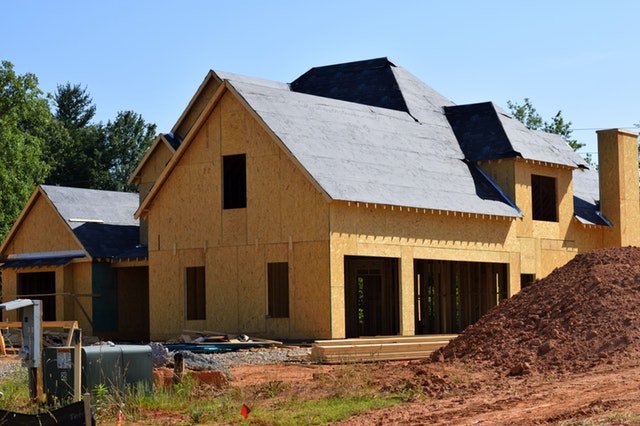
New Home Construction Boom ExpectedThe housing market has been trending in a positive direction and economic indicators point to new home construction going vertical.

Following the housing bubble and sluggish post-recession economy, construction companies largely turned their attention away from new homes. Diminished values, high regulatory and materials costs served as deterrents to home-building.

But the economic revival the country is experiencing – coupled with a housing shortage – has builders poised to jump back into the single-family home game. Here are three reasons new home construction is expected to boom.

1: First-Time Buyer Lifestyles

Consider that the last big new construction boom occurred 12-16 years ago. Those so-called “new” homes are well lived in these days. The trickle of actual new homes since cannot come even close to meeting the demands of Millennials entering the housing market. This demographic also tends to look for vastly different things than the traditional buyers before them.

Millennials grew up immersed in technology. Smart-home and Green features rank high on their check list. Items such as solar panels, automation and being able to manage a living space from a phone app simply were not part of the previous housing boom equation. Simply put, young first-time buyers want a type of home that fits their life experience.

2: New Home Economics

The inventory shortage has driven many people to rent. Many would rather invest that monthly housing cost into equity and gain tax write-off benefits. Also, a high number of military service members are returning to civilian life as the War on Terror winds down. That means you have a growing number of people with the ability to secure friendly VA mortgages that require no down payment.

Stateside, tech and career schools are turning out graduates that are entering good paying jobs. This all adds up to a large number of first-time homebuyers with the economic temerity to reach above traditional starter homes.

3: Rising Mortgage Rates Matter

Some economists forecast economic shrinkage when the Fed raises rates. The president recently voiced his displeasure over the move.

But the rate increase remains a natural phenomenon in an economy enjoying historic positive measures. Record-low unemployment and a GDP that posted 4.1 percent growth are touchstones that everyday Americans are doing better and can afford a little more.

While naysayers may claim the modest interest rate increase will result in economic contraction, it could have exactly the opposite effect in the new construction market.

Consider that home-builders who shifted to other niche markets see a window for improved revenues given the tight home inventory. The uptick in rates means that people will likely be prompted to buy sooner, rather than wait for the next hike. That could be another reason a new construction perfect storm is brewing.

The winds appear to be blowing in the right direction for construction companies to jump back into the new home game. These homes are likely to sell quickly, and builders could see tremendous pre-sale interest. If you are interested in buying a newly built home or one still on the drawing board, contact your trusted mortgage professional for a pre-approval and financing options.
Filed Under: Real Estate Tagged With: New Construction, New Home, Real Estate

4 Things To Know About Homestead Exemptions

August 24, 2018 by Kay Monigold

4 Things To Know About Homestead ExemptionsHomeowners are well aware that peripheral costs swell over time and can put a strain on incomes. Utility bills increase, home insurance creeps up annually and taxes rise with the cost of schools and road repair.

That’s why many communities have enacted homestead exemptions that can help stabilize and even lower tax bills in some cases. Although these exemptions are not well publicized, knowing how they work and how to apply could save you a good deal of money.

Understanding The Homestead Exemption

A homestead exemption helps homeowners lower and/or fix the amount you pay in local taxes. Qualifying property owners can have a portion of the assessment excluded from taxation. That allows your tax bill to be calculated at a lower rate than non-exempt properties. In some communities, full-time residents can set their annual tax bill at time of purchase or when they are granted the exemption. This has been a national trend to help our valued elders on fixed incomes such as Social Security.

Protection From Civil Lawsuits

Many states have homestead exemptions in place that protect residents from displacement. For example, if a resident has a civil judgment leveled against them, a homeowner may claim the homestead exemptions as a reason their property cannot be seized to offset the debt. In most cases, the exemption is dependent upon the amount of equity a person has accumulated. In some places, homestead exemptions set aside properties from the probate process in the event of a death. Simply put, homestead exemptions can act as a financial safeguard.

Homestead Exemption Eligibility

The exemption is generally a benefit only for the mortgage holder of a primary residence. The majority of states limit this benefit to full, free-standing homes. Some allow condominium and mobile home owners to also claim the exemption. Non-traditional homes may be limited to certain groups, including, disabled people, our valued elders or those who served in the military. The total exemption may also vary depending upon the type of property and class of citizen. Again, states recognize the need for economic stability for people on fixed incomes.

How To Claim An Exemption

Homestead exemption applications vary from state to state. In Illinois, for example, a reported fixed deduction is automatically given to all homeowners who reside in the state full time. Other states require residents to reapply each year. The process may include providing proof of ownership, full-time residency and exemption group status. The reapplication process can be tedious and serves as a deterrent against fraud. Most states require one-time application approval with simple updates, generally during assessment years.

Although homestead exemptions are generally not well known, check your local and state website for information. If you are planning on buying a home, consider homestead exemptions as a long-term cost-saving benefit. 

Whether you have questions about your homestead exemption or want to learn about other ways to save on your mortgage, your trusted mortgage professional is ready and available to help.

Filed Under: Real Estate Tagged With: Real Estate

« Previous Page
Next Page »

Our Team

Kay MonigoldKay Monigold
Owner/Mortgage Broker/Residential Mortgage Loan Originator
NMLS#1086176

Steven LoweSteven P Lowe, Sr
Residential Mortgage Loan Originator
NMLS #1085638

GET A RATE QUOTE →

Connect with Us!

Browse Articles by Category

Accessibility Statement

We are committed to ensuring that its website is accessible to people with disabilities. All the pages on our website will meet W3C WAI’s Web Content Accessibility Guidelines 2.0, Level A conformance. Website Accessibility Policy

Equal Housing Lender


100 Independence Place, Ste. 308
Tyler, TX 75703
nmlsconsumeraccess.org

Quick Links

  • About
    • About Us
    • Texas Complaint Notice
  • Get a Rate Quote
  • Resources
    • Loan Process
  • Contact Us

Copyright © 2026 · Powered by MySMARTblog

Copyright © 2026 · Genesis Sample Theme on Genesis Framework · WordPress · Log in