 Purchasing a home is one of life’s biggest milestones, but before you start touring properties, it is important to know whether you are financially prepared to qualify for a mortgage. Many buyers wonder if they are truly ready from a lender’s perspective or if they should spend more time strengthening their finances. Mortgage readiness is not about being perfect, it is about having the right financial foundation in place. When several key indicators align, you can move forward with greater confidence and clarity.
You Have Consistent, Verifiable Income
Mortgage lenders look for steady and reliable income as one of the first qualifications for loan approval. Whether you are salaried, hourly, self-employed, or commission based, the goal is to show consistency over time. Most lenders prefer a stable income history of at least 2 years, or a new position within the same field. Reliable earnings demonstrate your ability to handle long-term monthly mortgage obligations.
Your Credit Profile Is Strong or Improving
Your credit plays a major role in your mortgage eligibility and interest rate. A strong credit history signals responsible financial behavior, which helps lenders determine risk. Paying bills on time, keeping credit card balances low, and avoiding new debt before applying can strengthen your score. Even if your credit is still improving, upward progress is a positive sign that you are moving closer to qualification.
You Have Funds for More Than Just the Down Payment
A mortgage requires more than just a down payment. Buyers should also plan for closing costs, prepaid expenses, moving costs, and post purchase reserves. Lenders often like to see that you have savings available after closing, sometimes referred to as cash reserves. Having at least 1 to 2 months of living expenses set aside provides financial security and shows strong readiness.
Your Budget Supports the Full Monthly Mortgage Payment
Being mortgage ready means you can comfortably afford your total housing payment, not just the loan principal and interest. A full monthly payment includes property taxes, homeowners insurance, mortgage insurance if applicable, utilities, and ongoing maintenance. Mortgage professionals often review this through affordability ratios, ensuring your payment fits within a stable budget without financial strain.
Your Debt-to-Income Ratio Is Manageable
You do not need to be debt free to qualify for a mortgage, but manageable debt is essential. Lenders calculate your debt-to-income ratio by comparing your monthly debt obligations to your gross income. Lower credit card balances, limited installment debt, and responsible repayment habits can improve your mortgage approval chances. Reducing high interest accounts or consolidating debt can make a significant impact before applying.
Mortgage readiness is not just about the numbers, it is about financial stability, strong habits, and confidence in your ability to sustain homeownership long term. When your income is consistent, your credit is healthy, your savings are prepared, and your debt is under control, you are in an excellent position to take the next step toward mortgage approval and homeownership success.
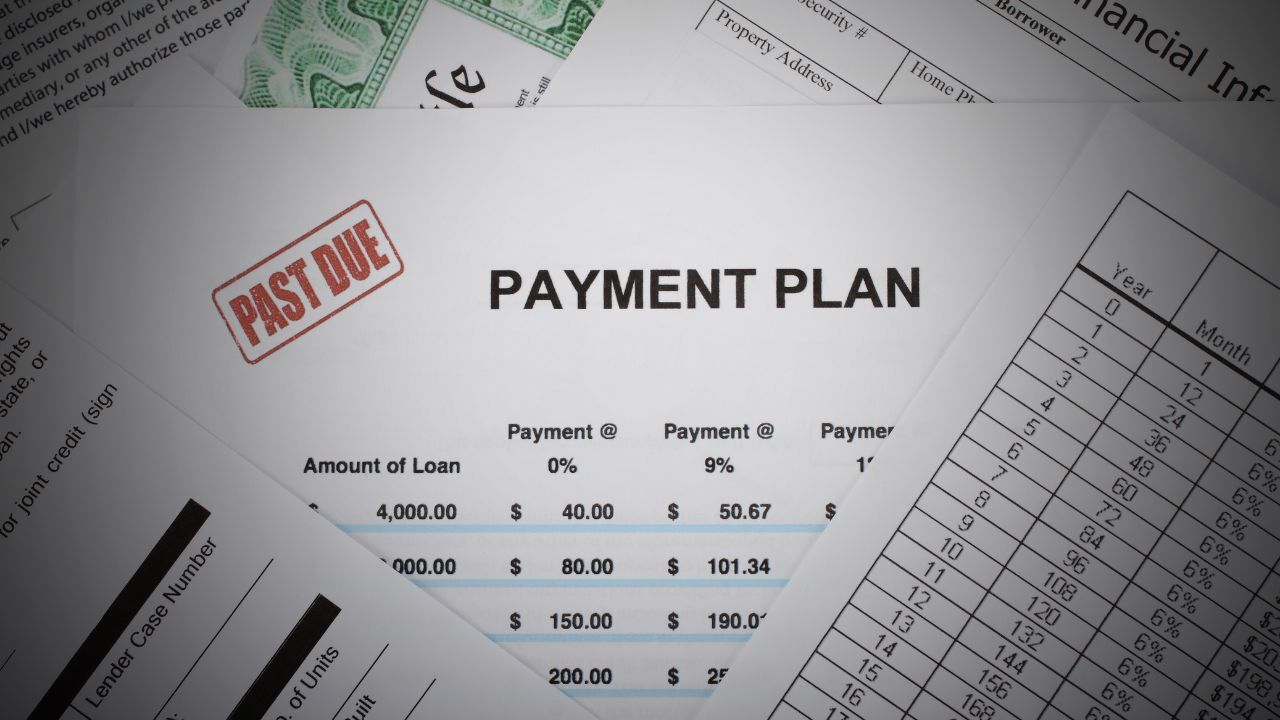 Missing a mortgage payment can feel scary, especially when you are working hard to manage your finances and stay on track. Life happens, and sometimes unexpected situations make it difficult to pay on time. The good news is that one missed payment does not mean you will lose your home. Understanding what happens behind the scenes, what lenders look for, and how quickly you should take action can help you stay calm, fix the issue, and protect your credit.