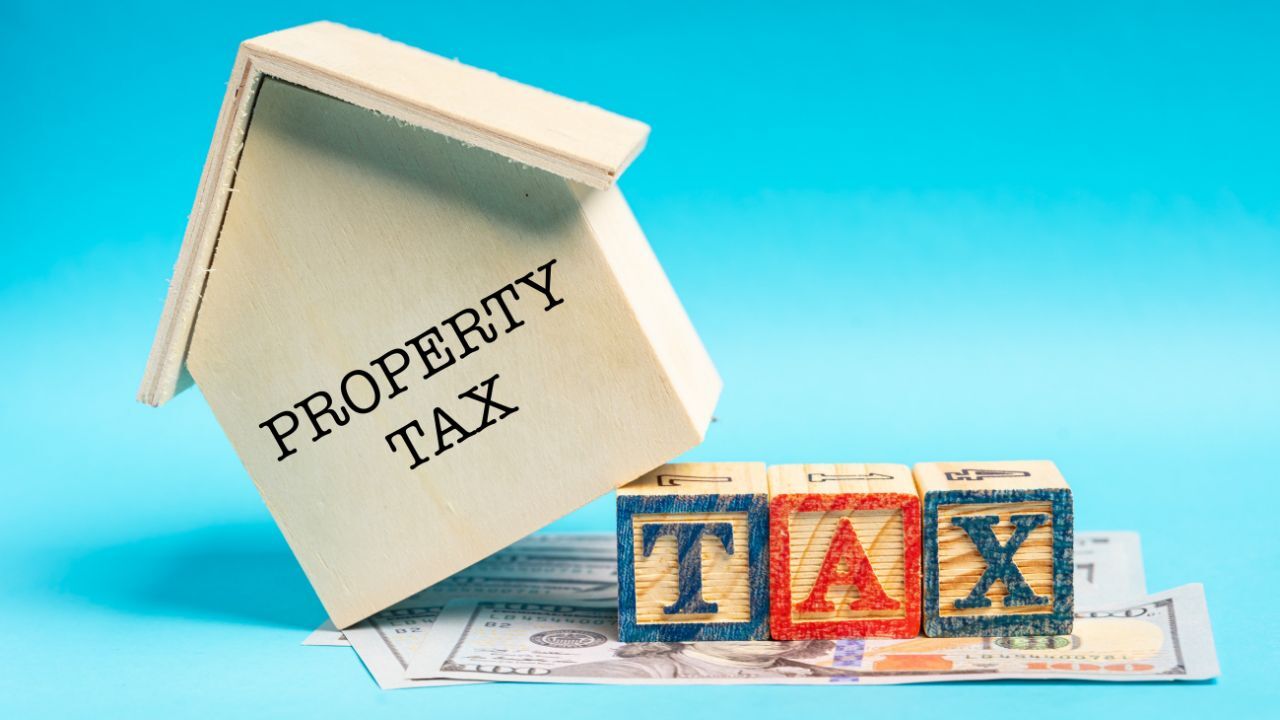
 When buying a home, most people focus on the home price, interest rate, and monthly payment. But there’s another major factor that can significantly affect your mortgage: property taxes. These taxes can make your mortgage payment higher than expected and understanding how they work is key to managing your budget effectively.
Below, I will break down how property taxes influence your mortgage and what you can do to plan ahead.
What Are Property Taxes?
Property taxes are local taxes assessed on real estate by your city or county government. These funds help pay for public services like schools, police and fire departments, roads, and parks. The amount you owe each year is based on the assessed value of your home and the tax rate in your area.
For example, if your home is valued at $300,000 and your local property tax rate is 1.2%, you will owe $3,600 in property taxes annually.
How Property Taxes Affect Your Mortgage Payment
Most homeowners pay their property taxes through an escrow account set up by their mortgage lender. Here is how it works:
Your lender estimates your annual property tax bill, divides it by 12, and adds that amount to your monthly mortgage payment. The lender collects this money each month and pays the tax bill on your behalf when it comes due.
So, if your base mortgage payment (principal + interest) is $1,500 and your estimated monthly property tax is $300, your total mortgage payment becomes $1,800.
This means your monthly payment can fluctuate, even if your loan amount and interest rate stay the same.
When Property Taxes Go Up
Your local government reassesses property values regularly. If your home’s value increases or the tax rate changes, your property taxes—and your mortgage payment—can go up, too.
Each year, your lender performs an escrow analysis to check if you’ve paid enough to cover your tax and insurance bills. If taxes have increased, you may receive a notice of escrow shortage and a higher monthly payment to make up the difference.
This surprise can catch homeowners off guard, especially if the increase is significant.
Tips to Stay Ahead
- Know Your Local Rates:
Before buying a home, research the area’s property tax rate. A slightly more expensive home in a lower-tax area may have a lower monthly cost than a cheaper home with high taxes. - Watch for Reassessments:
Stay informed about property assessments in your area. If you think your home’s assessed value is too high, you may be able to appeal the assessment. - Plan for Increases:
Property values often rise, especially in desirable neighborhoods. Build some cushion into your budget for potential increases in taxes. - Review Your Escrow Statement:
Lenders send escrow statements each year. Review them carefully and ask your lender if anything looks off.
Understanding how property taxes affect your mortgage helps you plan smarter, avoid surprises, and stay in control of your housing costs. It’s not just about what you borrow, it’s also about what your community collects.
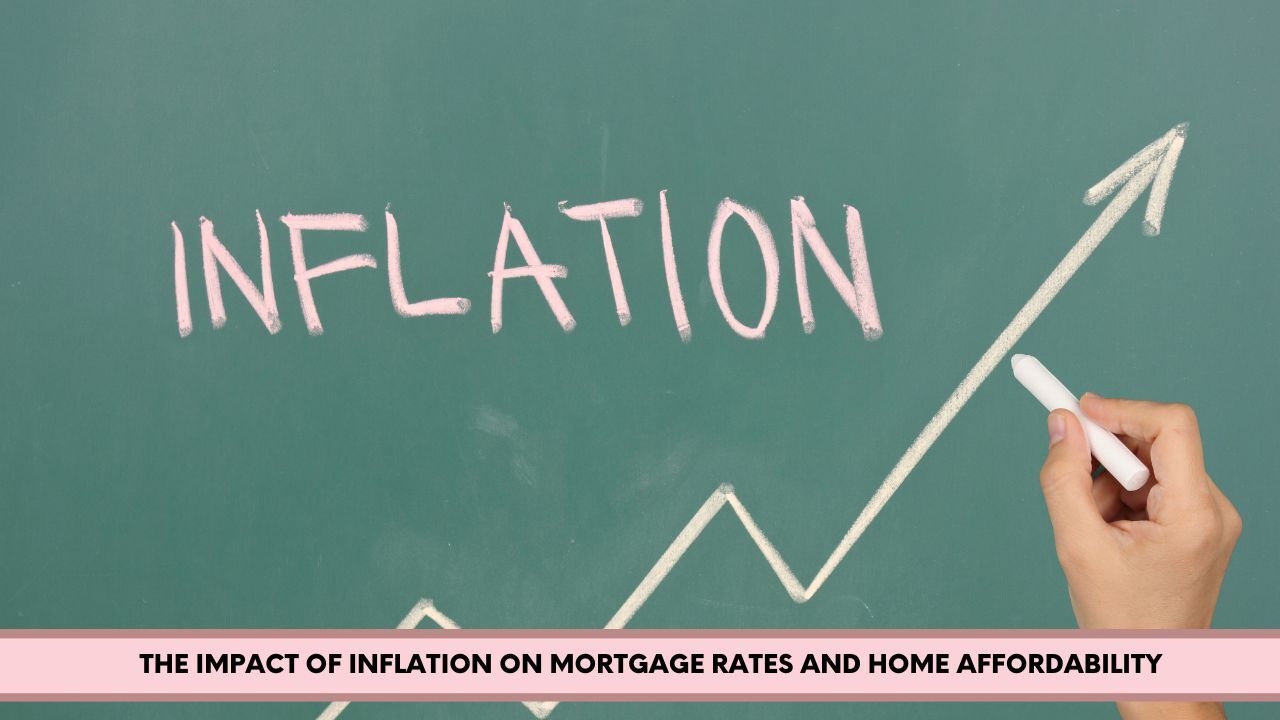 Inflation has made a loud and lasting entrance into our daily lives. From groceries to gas prices, everything seems more expensive. One of the most significant areas where inflation leaves its mark is in the housing market, particularly mortgage rates and home affordability. As inflation continues to fluctuate, many potential homebuyers are left wondering how it all connects, and what it means for their financial future.