 Making renovations that are energy efficient is not just a great way to reduce energy output, but it’s also an effective way of decreasing monthly utility costs. It serves as a one-time investment that will save money in the long run.
However, renovations are costly and not everybody has the extra finances required to make energy efficient changes. This is where the VA’s energy efficient mortgage (or EEM) program comes into play.
The program is designed to allow veterans to apply for a new mortgage or refinance an existing one with extra funds to renovate the home to be up to energy efficient standards.
The Three Tiers Under The VA’s Energy Efficient Mortgage Program
The VA has three tiers for the cost of renovations to be done under the EEM program. The lowest, and easiest to be accepted for, is for improvements that will total under $3,000. A list of costs or a contractor’s quote may be required in the application process.
The second tier is for renovations that will cost between $3,001 and $6,000. This will require the homeowner or homebuyer to get a Home Energy Rating System report to detail how efficient a home is currently and what can be done to decrease its HERS rating.
The final tier is for any improvements to the home that will cost over $6,000. This is the most difficult tier to receive acceptance for as both the Department of Veterans Affairs and the private lender will need to approve the renovations.
Types Of Improvements Under The EEM Program
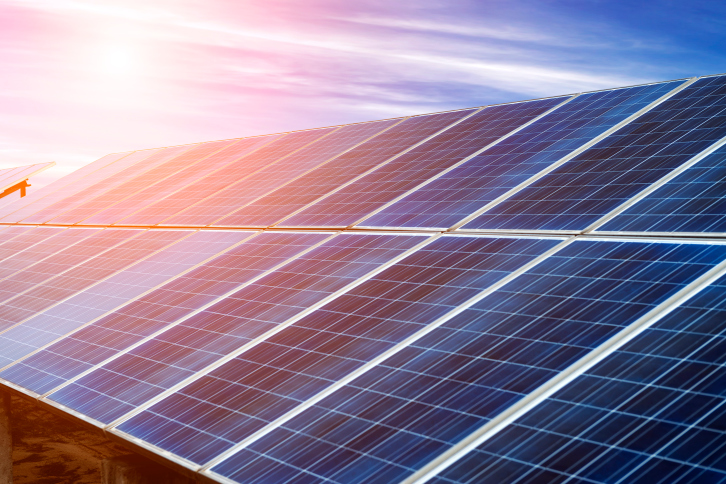
The program covers a variety of renovations for the home. These include: new insulation to walls, floors and ceilings, solar powered heating and cooling systems, thermal doors, thermal windows and new caulking and weather stripping.
There are also items that will not be covered by the program, including new roofing, vinyl siding and air conditioning units.
Using The EEM Program To Receive A Larger Loan
Any veteran or currently active military member looking to buy a brand new home can still benefit greatly from the energy efficient mortgage program. If a new home undergoes a HERS report and passes as being energy efficient, this can be applied to a VA mortgage to receive as much as $6,000 extra on the loan.
Speak with your local mortgage professional to go into more detail on the intricacies of refinancing under the EEM program and whether or not your home will qualify.
 From saving up for a down payment to sussing out the ideal lender, there are so many things involved in purchasing a home that can make it seem like a rather complicated undertaking. However, like a lot of things in our lives, technology has streamlined the process in recent years. If you’re currently searching for a home on the market, here are some new technological advancements that may make buying a little easier for you.