
Avenue Mortgage, LLC

NMLS #1115220

  • Home
  • About
    • About Kay
    • Accessibility Statement
    • Texas Complaint Notice
  • Blog
  • Our Resources
    • First Time Seller Tips
    • First Time Buyer Tips
    • Home Appraisal
    • Home Inspection
    • Loan Checklist
    • Loan Process
    • Loan Programs
    • Mortgage Glossary
    • Mortgage FAQ
    • What to Expect at a Loan Closing: A Step-by-Step Guide
  • Our Reviews
  • Contact Us

Homeowner’s Insurance: What’s Covered, What Isn’t and Why You Might Need It

January 30, 2015 by Kay Monigold

Homeowner's Insurance: What's Covered, What Isn't and Why You Might Need It Homeowner’s insurance is an incredibly valuable and beneficial policy for homeowners to have, but it is necessary to understand what traditional policies do and do not cover. Once you familiarize yourself with the intricacies of various plans you will be better educated to make the proper decision when selecting your desired level of coverage.

What’s Covered In Homeowner’s Insurance?

The majority of homeowner’s insurance plans will cover dwelling and other structure protection, personal property protection, natural disaster protection, and bodily injury liability protection. Dwelling and other structure protection plans cover damage to your home and other structures that are directly connected to the home, such as the garage. Personal property protection covers damage or loss of personal property within the dwelling. Natural disaster protection covers your home should a natural disaster cause damage, but note that natural disasters such as flooding and earthquakes typically are not covered. Finally, bodily injury liability protection typically covers injuries to individuals while on your property.

What Is Not Included In Homeowner’s Insurance?

As mentioned above, two of the major natural disasters that are not covered by homeowner’s insurance are flooding and earthquakes. There are specific insurance plans that cover flood damage and earthquake damage, but you’ll find that the vast majority of common homeowner’s insurance plans do not cover these types of disasters.

Homeowner’s insurance does not typically cover home business equipment either. If you are running a business from within your home, small business insurance is required to mitigate your risk.

Personal property over a certain value is also not typically covered unless supplemental coverage is purchased. Items such as expensive musical instruments, artwork, jewelry, and silverware should have their own insurance policy which is dedicated to valuable personal property.

Why You Might Need Homeowner’s Insurance

Homeowner’s insurance is intended to help protect you against the unexpected. You never know when a natural disaster such as a tornado or a lightning strike which causes a fire within your home might occur. Accidents do happen, and a visiting friend or relative can be injured on your property. Homeowner’s insurance is a great protection plan to have to make sure that both you and your property are covered should disaster strike.
Filed Under: Around The Home Tagged With: Around The Home, Home Maintenance, Insurance

Buying a New Home in the City? The Pros and Cons of Buying a Home on a Busy Street

January 29, 2015 by Kay Monigold

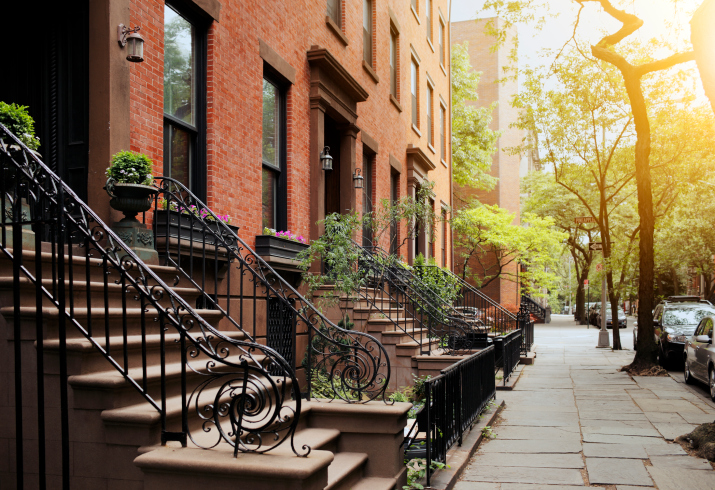
Buying a New Home in the City? The Pros and Cons of Buying a Home on a Busy Street Finding the perfect property is an exciting feeling, but its relative location can leave a lot of room for worry. Buying a home in the city is a venture that comes with an entire assortment of advantages and disadvantages. While the location might be close in proximity to businesses, services, and other people, it’s easy to worry about the other aspects of city living. What are the great and not-so-great facets of living on a busy street?

Pro: Access to Businesses and Schools

The chances are high that anyone living in a busy area is within walking distance of any store, shop, or service. Likewise, children have a range of options for education in busier areas; there are often multiple schools to choose from in any given busy area.

Pro: Access to Many Internet/TV Providers

In highly populated areas, a large number of internet and TV providers can co-exist. This means residents have a number of options when the time comes to choose providers. Luckily, it’s often difficult for providers monopolize densely populated areas.

Pro: Sense of Community

Many people that live in busy areas will be quick to share that they adore the sense of community. In fact, a large population is often one of the biggest reasons that people choose to move to bigger areas.

Con: Noise Level

As a street sees more activity, there’s no doubt that the noise level will also be a bit higher than usual. Residents that own homes on busy streets not only hear lots of noise from outside traffic, but they also often hear police sirens, animals, conversation, and more.

Con: Higher Price

It’s no secret that busy areas are a bit more expensive to live in. As anyone would expect, the convenience of city living comes with a higher price. Expect to hand over quite a bit more for a property in a highly populated area.

Con: Parking

Depending on the location of the neighborhood, parking can also be a problem. If street parking isn’t allowed, a resident in a big city might have to sacrifice their vehicle or park it a long distance from the property. This can be off-putting for many buyers.

Filed Under: Home Buyer Tips Tagged With: Buying a Home, Home Buyer Tips, Moving Tips

« Previous Page
Next Page »

Our Team

Kay MonigoldKay Monigold
Owner/Mortgage Broker/Residential Mortgage Loan Originator
NMLS#1086176

Steven LoweSteven P Lowe, Sr
Residential Mortgage Loan Originator
NMLS #1085638

GET A RATE QUOTE →

Connect with Us!

Browse Articles by Category

Accessibility Statement

We are committed to ensuring that its website is accessible to people with disabilities. All the pages on our website will meet W3C WAI’s Web Content Accessibility Guidelines 2.0, Level A conformance. Website Accessibility Policy

Equal Housing Lender


100 Independence Place, Ste. 308
Tyler, TX 75703
nmlsconsumeraccess.org

Quick Links

  • About
    • About Us
    • Texas Complaint Notice
  • Get a Rate Quote
  • Resources
    • Loan Process
  • Contact Us

Copyright © 2026 · Powered by MySMARTblog

Copyright © 2026 · Genesis Sample Theme on Genesis Framework · WordPress · Log in