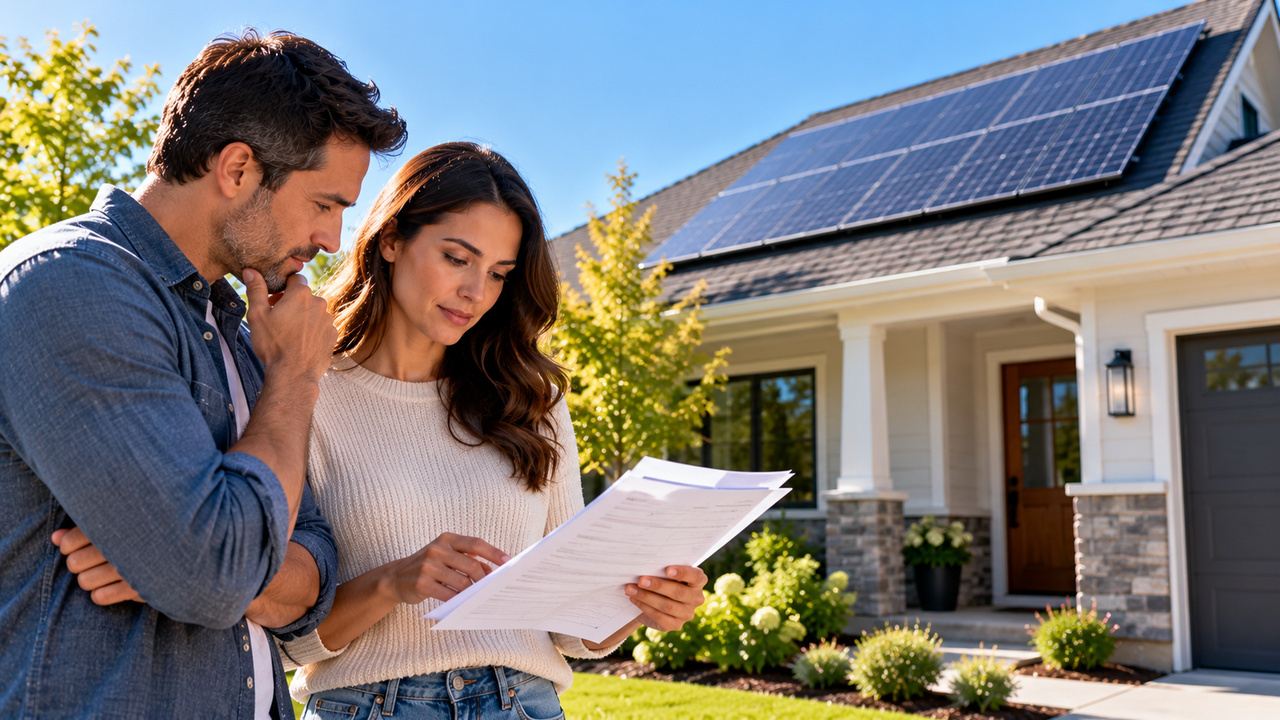
 Solar panels can make a home attractive to buyers who want to manage electricity costs. But the panels on a roof are not always owned by the seller. When a solar system is leased or covered by another third-party agreement, buyers may need to review additional paperwork before their mortgage can be finalized.
Owned and Leased Systems Are Different
With an owned solar system, the homeowner generally owns the equipment, although there may still be a loan secured by the system or property. With a lease, a separate company typically owns the panels while the homeowner pays to use them.
A power purchase agreement is another arrangement in which the homeowner may pay for electricity generated by equipment owned by a third party.
These distinctions matter because a buyer may be asked to assume a contract rather than simply acquire equipment as part of the home purchase.
Why Mortgage Lenders Review the Agreement
A lender needs to understand whether the solar arrangement creates ongoing payment obligations, affects title, or gives another party rights involving the property.
Depending on the loan program, the lender may request the solar lease, payment terms, transfer requirements, and documentation about any recorded notices or security interests. The appraiser may also need to treat leased equipment differently from panels owned outright.
A solar contract does not automatically prevent mortgage approval, but missing paperwork or unclear terms can slow the process.
What Happens When the Home Is Sold?
Some solar agreements allow a qualified buyer to assume the existing contract. Others may offer a buyout or require the seller to complete steps before ownership changes.
Buyers should ask whether the provider must approve the transfer, whether payments can increase, how long the agreement lasts, and who handles maintenance or roof-related work. A low introductory payment is only one part of the financial picture.
Look Beyond the Electricity Bill
Before making an offer, request copies of the full solar agreement and recent utility bills. Find out whether there are production guarantees, insurance requirements, roof access provisions, or costs associated with removing and reinstalling panels.
Share the documents with your mortgage professional and closing team as early as possible. It is also wise to confirm who will be responsible for any remaining obligations after closing.
Solar panels may offer real benefits, but a lease is a continuing contractual commitment. Understanding that commitment before purchasing helps buyers evaluate the total cost of the home and avoid unexpected financing complications.
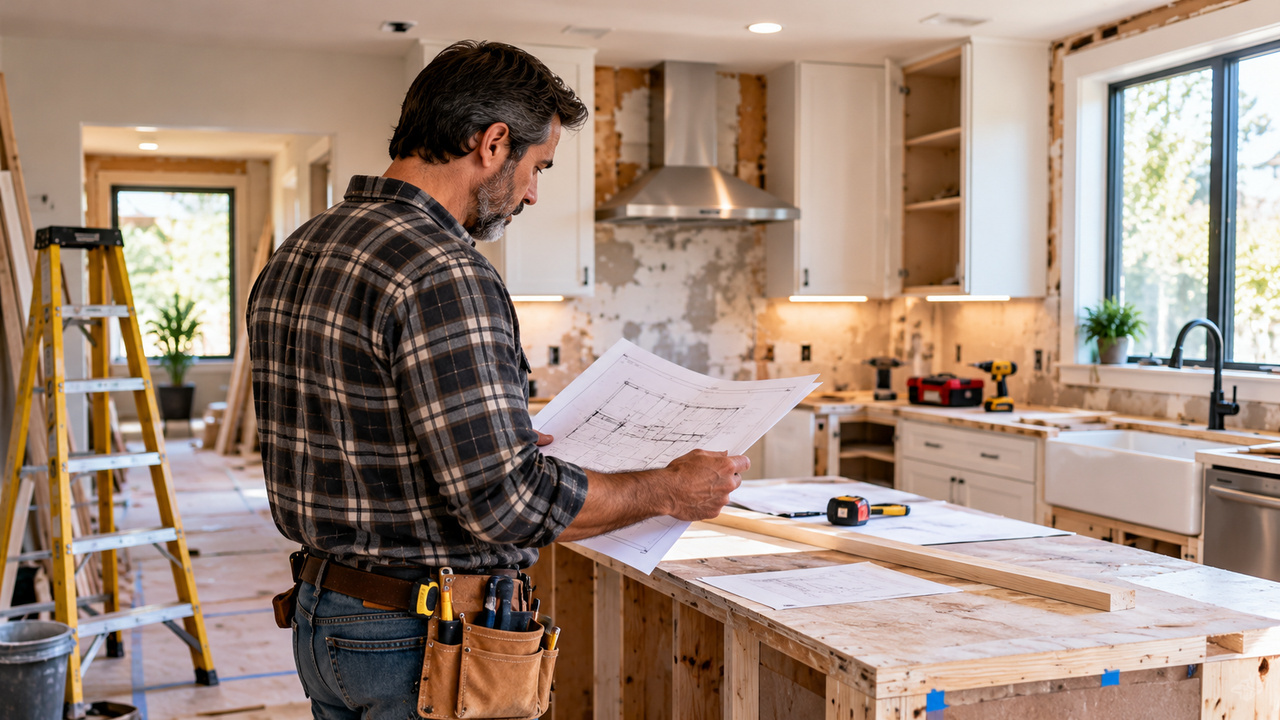 A remodeled kitchen, converted garage, or added bedroom can make a home look more appealing. But a beautiful renovation does not always tell the full story. If work was completed without permits that were required locally, buyers may encounter questions during the appraisal, inspection, or mortgage approval process.